


Imagine securing one of only 63,535 available spots for an entire year of international adventure. That’s the exact number of permits available globally for the 2025 International Experience Canada program.
The application pools opened on December 16, 2024, marking a critical window for young people worldwide. This guide addresses a pressing question for many: Can Arab nationals participate? The answer depends entirely on bilateral youth mobility agreements.
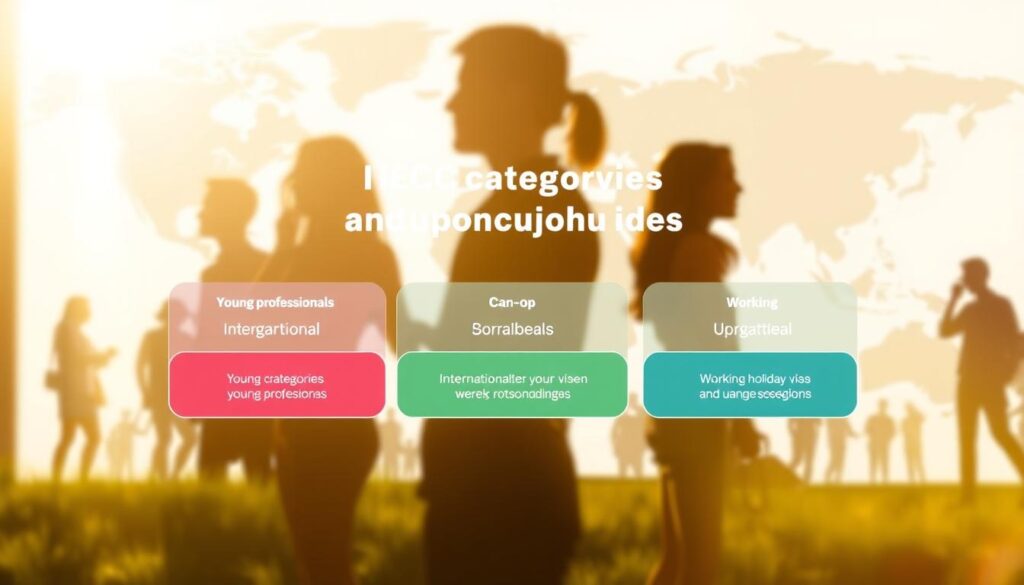
I will explain the three main IEC categories: Working Holiday, Young Professionals, and International Co-op. Each offers distinct opportunities for employment and cultural exchange. Understanding these differences is crucial for a successful application.
My goal is to provide clear, factual information about eligibility, procedures, and timelines. This includes vital details on costs, health insurance, and employment strategies. Applying early within the pool system significantly boosts your invitation chances.
Key Takeaways
- The IEC program for 2025 offers a limited global quota of 63,535 permits.
- Application pools opened on December 16, 2024, for the upcoming season.
- Eligibility for Arab applicants depends on bilateral agreements with Canada.
- The program features three distinct categories with different work arrangements.
- Early application submission maximizes your chance of receiving an invitation.
- Understanding complete requirements for costs and health insurance is essential.
- This guide provides up-to-date information for navigating the process successfully.
Understanding the International Experience Canada (IEC) Program
Administered by Immigration, Refugees and Citizenship Canada (IRCC), this initiative facilitates cultural exchange through structured mobility agreements. The International Experience Canada program operates under bilateral youth mobility arrangements with over 36 partner nations.
What the IEC is all about
IEC enables young people from partner countries to live and gain professional exposure temporarily. These reciprocal agreements also allow Canadian youth similar opportunities abroad.
The program features three distinct pathways. Each serves different objectives and has specific requirements for participants seeking international experience.
How the visa pool system operates
Applicants create profiles entering nationality-specific pools. Random draws occur throughout the year until quotas fill. This lottery-style selection makes early submission crucial.
Each country receives an annual permit allocation. The 2025 program offers 63,535 spots globally. Some nations have unlimited caps while others face strict limits.
| Category | Work Permit Type | Primary Requirements | Typical Duration |
|---|---|---|---|
| Working Holiday | Open work permit | General employment seeking | 12-24 months |
| Young Professionals | Employer-specific | Career-relevant job offer | 12-24 months |
| International Co-op | Internship-specific | Registered student status | Up to 12 months |
The Working Holiday category provides maximum flexibility with an open work permit. This allows employment with any employer across the country without restrictions.
Eligibility Criteria for the working holiday visa Canada
The gateway to this cultural exchange begins with fulfilling a set of clearly defined eligibility parameters. I will outline the fundamental requirements that determine whether candidates can participate in this opportunity.
Nationality and Passport Requirements
Your citizenship determines initial eligibility. Applicants must hold a valid passport from one of the 36+ nations with active bilateral agreements.
For Arab nationals, participation depends entirely on whether their home country has established an IEC arrangement. Currently, most Arab nations are not on the participating countries list.
| Requirement Category | Basic Standard | Country Variations | Documentation Needed |
|---|---|---|---|
| Citizenship | Passport from partner country | 36+ participating nations | Valid passport scan |
| Age Limit | 18-35 years inclusive | Some countries: 18-30 only | Passport birth date verification |
| Financial Proof | CAD $2,500 minimum | Standard across all countries | Recent bank statements |
| Residency | Physical presence may be required | Varies by citizenship | Address verification documents |

Age and Financial Considerations
Age requirements differ by nationality. Most participants must be between 18 and 35 when selected from the pool. Some nations maintain the traditional 18-30 limit.
Financial preparedness is mandatory. Candidates need at least CAD $2,500 upon arrival. This ensures basic living expenses are covered during the initial settlement period.
Additional conditions include having health insurance for the entire stay and being admissible to the host country. Applicants cannot be accompanied by dependents during their participation.
Application Process Insights and Step-by-Step Guide
Successful participation begins with mastering the digital submission system and its deadlines. I will guide you through each phase of this structured application process.

Creating and submitting your IEC profile
The first step requires completing the “Come to Canada” questionnaire. This generates your personal reference code for eligibility verification.
Use this code to build your comprehensive IEC profile. Submit it to enter the selection pool. Your profile remains active for potential draws throughout the season.
Receiving your Invitation to Apply (ITA)
If selected, you’ll receive an invitation to apply within 10 days to start your formal submission. This timeframe is critical for maintaining your spot.
Once you accept the invitation, you have 20 days to gather documents and pay fees. The complete application requires careful attention to detail.
Approval leads to a Letter of Introduction. This document allows entry to receive your final permit. The entire process typically takes 2-3 months from start to finish.
Detailed Breakdown of Fees and Costs
Let’s break down the mandatory costs and required proof of funds for your participation. Creating a profile in the IEC pool is completely free. You only pay government fees after receiving an invitation.
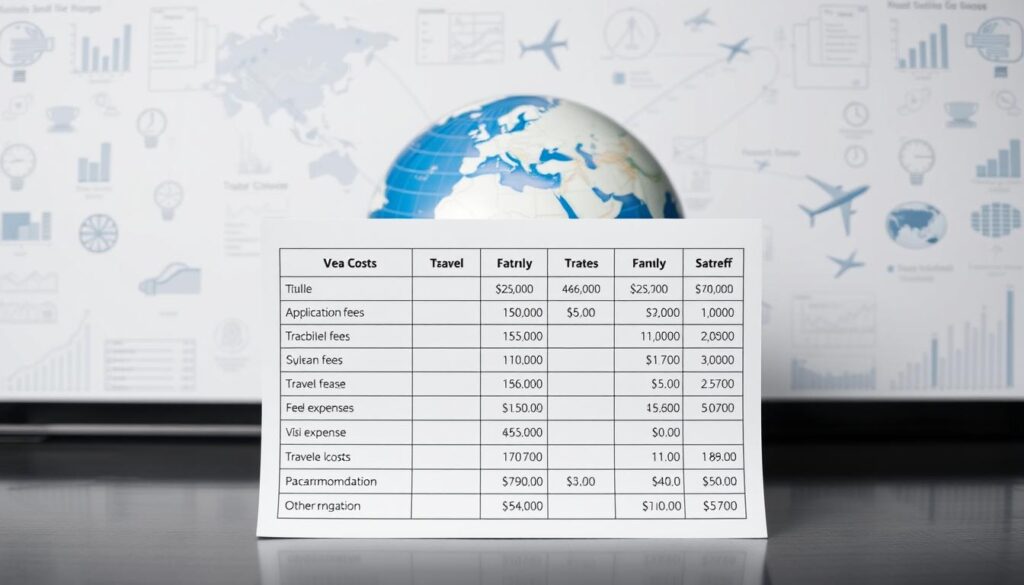
I will detail the specific charges you must prepare for. This clarity helps you budget effectively for the entire process.
Processing fees and biometrics charges
The total cost for the work permit application is CAD $364.75. This amount is paid directly to Immigration, Refugees and Citizenship Canada (IRCC).
It includes three separate components. You must settle these fees within the 20-day deadline after accepting your invitation.
| Fee Type | Purpose | Amount (CAD) | Notes |
|---|---|---|---|
| Processing Fee | Application handling | $179.75 | Standard for all permit types |
| Open Work Permit Holder Fee | Permit issuance | $100.00 | Specific to this category |
| Biometrics Fee | Identity verification | $85.00 | Waived if provided recently |
The biometrics requirement involves an in-person appointment. You provide fingerprints and a photograph at a designated center.
Required financial proof and support funds
All applicants must show proof of sufficient funds. You need at least CAD $2,500 for initial expenses.
A recent bank statement, dated within one week, typically serves as proof. This demonstrates financial preparedness for your stay.
For the Young Professionals and International Co-op streams, the employer has an extra fee. They must pay a CAD $230 compliance charge.
Remember to budget for health insurance, police certificates, and travel. These are essential but separate from the government fees.
Navigating the Visa Pool and Invitation to Apply (ITA)
Strategic timing becomes your greatest advantage when navigating the IEC selection system. The program operates as a lottery with random draws occurring from December through September.
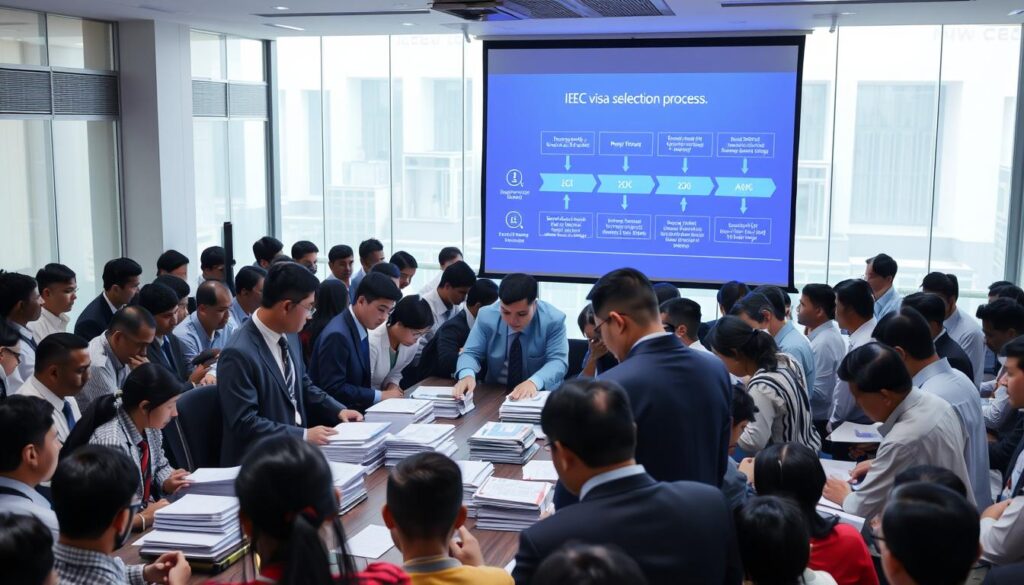
Your profile enters a nationality-specific pool where selection happens at regular intervals. The longer your application remains active, the more draw rounds it enters.
The benefits of applying early
Submitting your profile immediately when pools open maximizes your exposure to selection opportunities. Early participants benefit from simple probability mathematics.
Each additional draw round increases your chance of receiving an invitation. I recommend applying within the first weeks of pool openings.
Recent years show unpredictable quota exhaustion patterns. Most participating nations had permits available at season closure. However, some allocations depleted months earlier.
IRCC provides transparent probability rankings with each draw. These range from Excellent (80-99% selection chance) to Low (1-19%). Monitoring these updates helps assess your odds.
Each country receives a specific number of permits annually. Some have unlimited allocations while others face strict limits. This creates varying competition levels.
The random nature means selection is never guaranteed. Early submission remains the only factor you can control to improve your probability.
I advise candidates to regularly check their country’s selection rankings. If Working Holiday odds remain low, consider alternative IEC categories for better chances.
Health Insurance and Mandatory Coverage Requirements
Medical coverage stands as an absolute prerequisite that cannot be compromised for program participation. I emphasize that comprehensive health insurance remains non-negotiable throughout your entire planned stay.
Border officials will physically inspect your documentation at entry points. They verify coverage dates and policy details against Canadian standards.
Inadequate protection carries serious consequences. If you present only six months of insurance for a two-year period, your work permit duration will match the shorter coverage timeline.
Continuous protection without gaps is essential. While single policies covering the full stay are ideal, multiple sequential policies also work. You must demonstrate uninterrupted coverage for the entire intended period.
I recommend researching providers specializing in exchange program needs. Their policies understand the specific requirements and often offer extension options. This mandatory requirement ensures your safety and compliance throughout the experience.
Working and Living in Canada: Employment and Cultural Adaptation
Securing employment and adapting to life in a new country represents the practical phase of your international exchange journey. This period combines professional development with personal growth opportunities.
Job search strategies and employment tips
The open work permit provides significant flexibility for your employment search. You can pursue opportunities with virtually any employer across the country.
I recommend starting your job search before arrival using online resources. Platforms like Job Bank Canada and specialized recruiters connect participants with Canadian companies.
Adapt your resume to local standards with concise, results-focused formatting. Consider positions in hospitality, tourism, or seasonal industries that frequently hire international candidates.
Adapting to Canadian culture and lifestyle
Understanding workplace norms like punctuality and direct communication styles enhances your professional experience. These cultural adaptations are crucial for success.
Practical steps include obtaining your Social Insurance Number and opening a local bank account. Building social networks through community groups supports smoother integration.
For those considering longer-term plans, skilled work experience can support future immigration pathways. Learn more about these connections in our comprehensive guide to international exchange programs.
Alternative IEC Programs and Pathways for Career Growth
While the Working Holiday stream offers broad flexibility, the International Experience Canada program provides two targeted alternatives for specific career and academic goals. These pathways serve distinct purposes beyond general employment seeking.
Young Professionals and Their Application Process
The Young Professionals category targets post-secondary graduates seeking career-relevant experience. Participants must secure a pre-arranged job offer in their field before applying.
Successful applicants receive an employer-specific work permit tied to one employer for the entire duration. This pathway often has separate allocations from the Working Holiday program.
This can be advantageous when regular program quotas are competitive. The permit duration typically ranges from 12 to 24 months depending on the country agreement.
Exploring International Co-op Opportunities
International Co-op serves currently enrolled students requiring mandatory work placements. Applicants need a signed job offer aligned with their academic program.
This category requires confirmation from the educational institution that the placement is compulsory. The work permit is generally valid for up to 12 months.
Both categories require employers to pay a CAD $230 compliance fee. For those considering these specialized alternatives to the Working Holiday program, securing employer commitment early is crucial.
Real Experiences and Success Stories from IEC Participants
Real-world testimonials from past participants offer a genuine perspective on what to expect during your international exchange. Hearing directly from those who completed the program provides invaluable insights beyond official guidelines.
Personal insights from past participants
Zayne’s experience highlights the importance of advance preparation. “Really helpful and amazing staff ensured a smooth move from UK to Canada,” he shares. Having employment and accommodation secured months before departure created peace of mind.
Hugo Martell found success in Whistler with comprehensive support. “They were really helpful from finding me a job to getting to Canada,” he notes. Quick response to any problems made his time enjoyable.
Eoin’s enthusiastic feedback demonstrates exceptional service quality. “10 stars if possible! The best of the best honestly!” Going the extra mile transformed a potentially stressful venture into a successful adventure.
Oliver Lindgren emphasizes comprehensive preparation. “If it wasn’t for Stepwest I wouldn’t be in Canada right now.” End-to-end guidance from visa application to employment proved crucial.
Adrien Berard describes a perfect experience. Proper planning and cultural adaptability allowed his adventure to exceed expectations. These testimonials show that thorough research and proactive planning lead to rewarding outcomes.
Conclusion
Navigating the International Experience Canada program requires careful planning from start to finish. The process typically spans 2-3 months from profile creation to receiving your Port of Entry letter.
Eligibility depends on bilateral agreements between specific countries and Canada. Essential requirements include being 18-35 years old, holding a valid passport, and demonstrating sufficient funds.
The total cost is CAD $364.75 plus proof of CAD $2,500 in support funds. Additional time may be needed for police background checks if you’ve lived abroad extensively.
Upon arrival, present all documentation to immigration officers to receive your work permit. This opportunity can provide valuable experience supporting future permanent residency applications.
I encourage thorough research of your country’s specific agreement details. While some nations currently lack access, alternative pathways remain available for those seeking Canadian experience.