

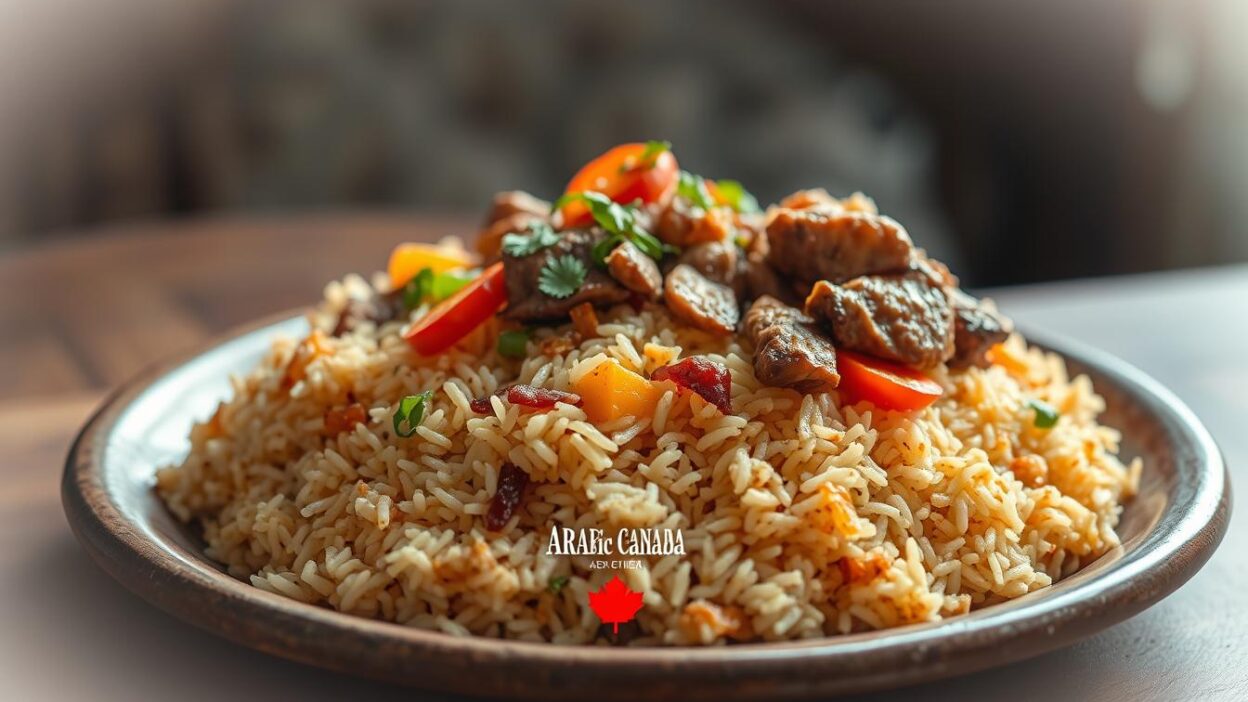
Across Saudi Arabia, families share an average of 12 million plates of this iconic meal every single day. This astonishing number reveals a deep cultural connection to a single, beloved recipe.
I am thrilled to present my comprehensive guide for crafting kabsa, the national dish of Saudi Arabia. This celebrated meal combines fragrant long-grain rice with tender, spiced chicken. It creates a harmonious and unforgettable dining experience.
My guide walks you through each stage of preparing an authentic version of this dish. You will learn to achieve perfectly fluffy rice and expertly seasoned meat. This one-pot wonder is surprisingly approachable for home cooks.
Whether you are new to Middle Eastern cuisine or seeking to refine your skills, my instructions are clear and effective. I have tested various methods, incorporating insights from traditional recipes. This ensures authentic flavors without specialized equipment.
By the end, you will appreciate not just the cooking process but also the cultural significance of this special meal. It is perfect for gatherings, offering an impressive yet comforting centerpiece for any table.
Key Takeaways
- Kabsa is the national dish of Saudi Arabia, known for its aromatic spices and tender meat.
- This one-pot meal is designed to be accessible for home cooks of all skill levels.
- The recipe focuses on achieving perfectly fluffy rice and well-seasoned chicken.
- Traditional flavors can be recreated without needing hard-to-find ingredients.
- This dish is ideal for serving large groups and making a memorable impression.
- Understanding the cultural background adds depth to the cooking experience.
My Journey with Kabsa: Rediscovering a Timeless Dish
The flavors of authentic Emirati cuisine first captivated me on a memorable Dubai excursion. This magnificent city blends ultra-modern architecture with traditional middle eastern culinary heritage. My experience there sparked a lasting passion for Arabian Peninsula cooking.
Personal Inspiration and Culinary Memories
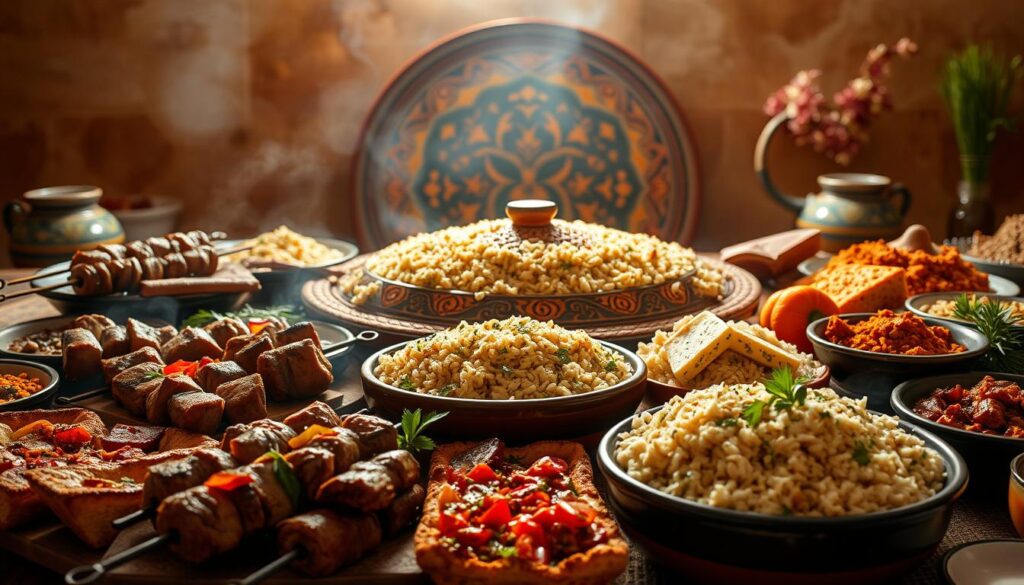
Sharing meals with close friends in Dubai created profound culinary memories. The communal dining experience left a deep impression on my approach to food. I became determined to recreate those authentic flavors in my own kitchen.
Food serves as my gateway to preserving special moments. Exploring traditional recipes helps me understand different cultures. Each preparation tells a story about its origins and people.
Why I Love Making Kabsa at Home
This particular recipe transforms ordinary dinners into memorable feasts. It brings people together around one shared plate, reflecting Arabian communal traditions. The cooking process itself becomes a rewarding experience.
I appreciate how this dish channels culinary creativity. It represents the perfect intersection of comfort food and adventure. Preparing it for gatherings creates both impressive presentations and deep satisfaction.
| Aspect | Traditional Experience | Home Preparation |
|---|---|---|
| Social Connection | Communal dining culture | Gatherings with friends |
| Culinary Adventure | Authentic local flavors | Creative kitchen exploration |
| Memory Preservation | Cultural immersion | Personal culinary journey |
This celebrated rice dish holds a permanent place in my collection of cherished food memories. It continues to inspire my culinary explorations and shared meal experiences.
Mastering How to Make Kabsa at Home
Many home cooks feel intimidated by traditional Middle Eastern dishes, but my systematic approach to kabsa preparation makes the process surprisingly straightforward. This celebrated recipe breaks down into logical stages that build upon each other seamlessly.
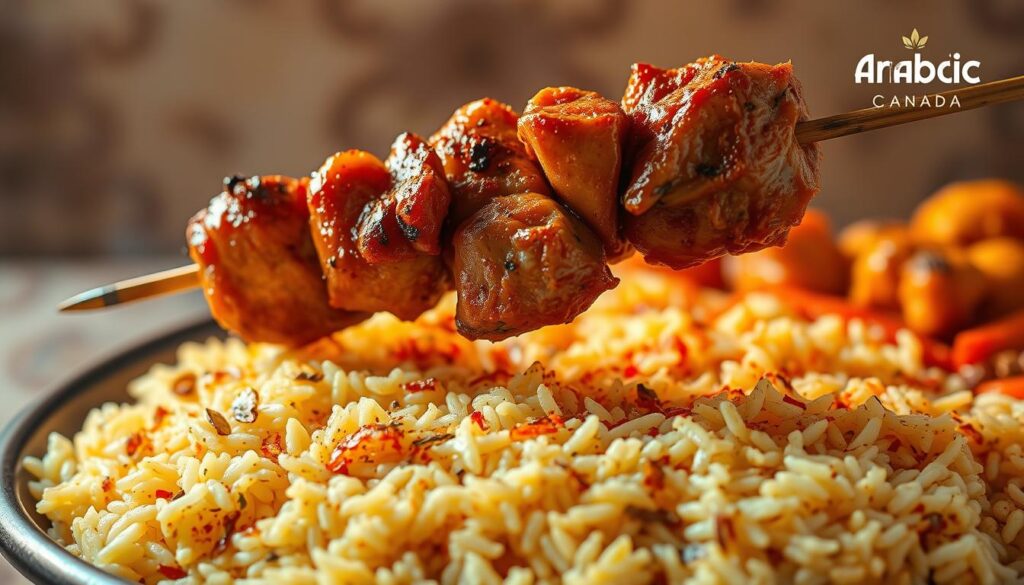
I focus on four key components: the spice blend, protein preparation, rice cooking, and final assembly. Each element contributes uniquely to the final dish. Understanding their individual roles ensures harmonious results.
My technique for chicken kabsa involves a two-stage cooking method. First, I brown the meat to develop flavor. Then I use gentle heat to achieve perfect tenderness. This combination creates juicy meat with a deliciously crisp exterior.
Timing represents the most critical aspect of this preparation. Adding ingredients at precise moments guarantees optimal texture and flavor development. My method organizes these steps efficiently to prevent kitchen overwhelm.
Following this approach yields restaurant-quality results that rival authentic Middle Eastern establishments. The systematic process demystifies what might initially seem complex. You’ll create impressive meals that delight family and guests alike.
Understanding Kabsa: Origins and Cultural Significance
Understanding the origins of this traditional Middle Eastern dish deepens my appreciation for its preparation. The cultural journey of this meal reveals fascinating insights into Arabian culinary heritage.
The History Behind Kabsa
This celebrated creation originated in Saudi Arabia as the national dish. The name comes from the Arabic word meaning “to press.” This refers to the cooking method where ingredients seal together under a tight lid.
The history reflects Bedouin traditions of communal eating. Families and friends would share large platters, often eating with their hands. This practice continues today during special occasions throughout Saudi Arabia.
Regional Variations in the Middle East
While rooted in Saudi Arabia, this dish has spread across the Arabian Peninsula. Each region adds its own distinctive touches to the preparation.
Coastal areas might incorporate seafood, while inland regions prefer lamb or chicken. Spice blends also vary significantly between different Middle Eastern communities.
| Region | Preferred Protein | Distinctive Spice | Serving Tradition |
|---|---|---|---|
| Central Saudi Arabia | Chicken or Lamb | Cardamom, Cinnamon | Large communal platters |
| Coastal Regions | Fish or Shrimp | Dried Lime | Individual servings |
| Yemen & Oman | Lamb | Hot Spices | Family-style gatherings |
The cultural significance of kabsa extends beyond mere sustenance. It represents hospitality and the importance of bringing people together through food.
Gathering Essential Tools and Ingredients
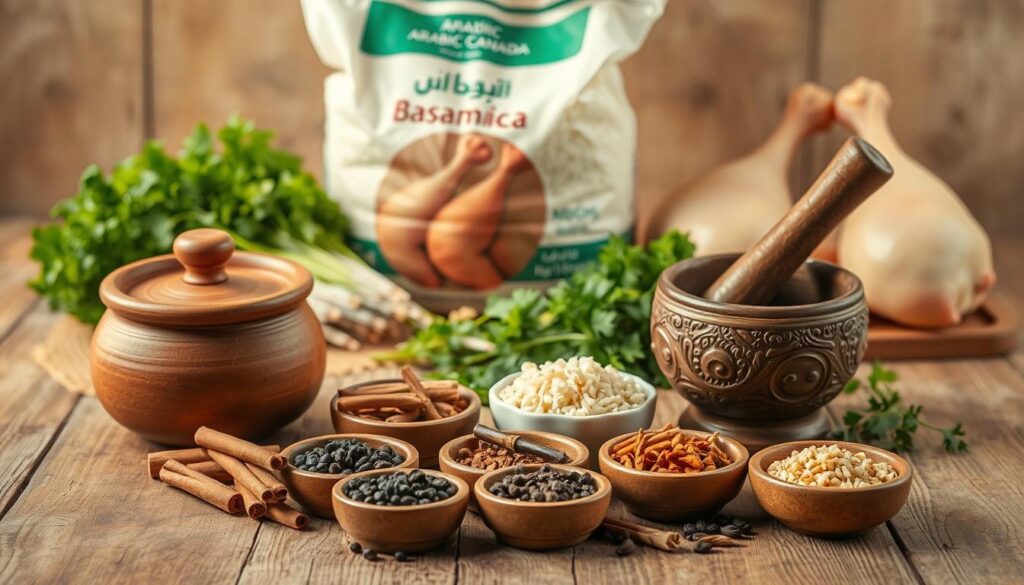
Before diving into the cooking process, gathering the right tools and components ensures a smooth culinary experience. Proper preparation sets the stage for authentic flavors and textures.
Must-Have Kitchen Equipment
I recommend using a large, heavy-bottomed pot or Dutch oven. This vessel accommodates both meat browning and rice cooking stages. The even heat distribution prevents burning and promotes perfect results.
Key Ingredients and Their Role in Flavor
Basmati rice forms the foundation with its slender grains and aromatic qualities. For protein, chicken or lamb provides the main substance. Essential spices like cloves and cardamom create the distinctive flavor profile.
The aromatic base requires onions, garlic, and ginger. Tomato paste adds depth and richness to the broth. You’ll need approximately 4.5 cups of liquid, using either water or stock.
Oil or ghee serves as the cooking fat for sautéing ingredients. Additional components like carrots and raisins contribute sweetness and texture. Having everything measured beforehand streamlines the preparation process.
Step-by-Step Guide to Preparing the Kabsa Spice Mix
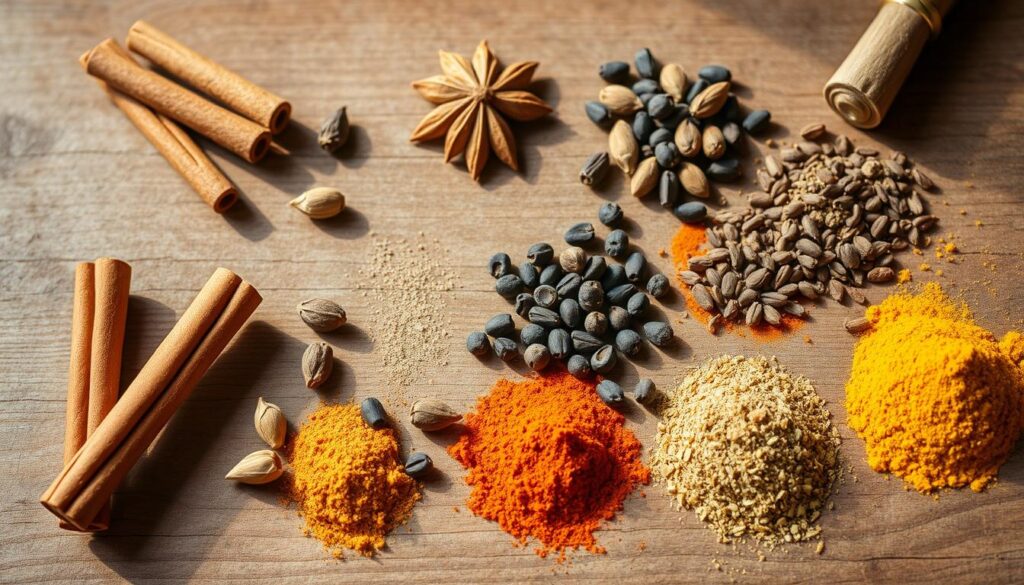
Creating an authentic spice blend represents the most rewarding step in preparing this traditional meal. While pre-made mixtures offer convenience, I find homemade versions deliver superior freshness and flavor control.
Homemade Spice Blend Essentials
My essential blend combines precise measurements for balanced results. I use 1/4 teaspoon ground cardamom with 1/4 teaspoon ground white pepper. The mixture includes 1/2 teaspoon ground cinnamon and 1/2 teaspoon ground allspice.
Saffron contributes both color and subtle luxury. Dried whole lime powder provides distinctive citrus notes. Combine these six spices thoroughly in a small bowl.
During cooking, I incorporate additional ground seasonings. These include coriander powder, black pepper, and turmeric. Onion powder and chili powder complete the flavor profile.
Optional Tweaks for a Unique Flavor
For enhanced complexity, I toast whole spices before grinding. This technique releases natural oils and intensifies aromas. Simply heat them in a dry pan for 2-3 minutes until fragrant.
Personalize your blend with optional additions. Smoked paprika introduces smoky depth, while ground cloves add warmth. Adjust the lime powder quantity for more pronounced citrus character.
Store your custom mixture in an airtight container. The flavors meld beautifully over time, remaining fresh for months. This preparation step ensures consistently spectacular results.
Cooking the Protein: Chicken, Lamb, or Beef Options
Whether you opt for poultry or red meat, proper protein preparation ensures tender, flavorful results that complement the aromatic rice. The meat you choose dramatically influences the final character of your dish.
My Preferred Protein Choices
For chicken preparation, I favor leg quarters or a whole bird cut into six pieces. These larger cuts maintain moisture throughout the cooking process. My two-stage method delivers exceptional texture.
First, brown the chicken in your pot for about thirty minutes. Place pieces skin-side down over medium heat for five to seven minutes until golden. This technique locks in juices.
Then transfer to a baking tray. Roast at 400°F for ten to fifteen minutes until crispy. For extra tenderness, marinate beforehand with yogurt and lemon juice.
Lamb requires different timing. Use approximately 500 grams of bone-in meat for richer flavor. After browning for three minutes, simmer for one hour and twenty minutes.
Larger pieces may need additional time. Ensure sufficient liquid covers the meat by three to four inches. Stir occasionally to prevent sticking.
Beef follows similar timing to lamb. Select cuts like chuck that benefit from slow cooking. Adjust cooking time based on your protein choice for perfect tenderness.
How to Cook Perfect Basmati Rice for Kabsa
Achieving the ideal fluffy texture in basmati rice requires mastering three essential techniques that transform ordinary grains into culinary perfection. These methods ensure each grain remains separate and aromatic.
Rinsing, Soaking, and Toasting Techniques
I begin with 3 cups of basmati rice, thoroughly rinsing under cold running water until it runs clear. This removes excess starch that causes clumping. Proper rinsing prevents gummy results.
Soaking follows for 20-30 minutes in lukewarm water. This hydration step allows even cooking and perfect texture development. After soaking, I drain the rice completely using a fine-mesh strainer.
The toasting stage adds incredible depth. I heat the drained rice with ghee in the pot for a few minutes until lightly golden. This releases a nutty aroma that enhances the final dish.
For cooking liquid, I use 4-4.5 cups of boiling water or chicken broth. The flavorful broth from my chicken preparation infuses the rice beautifully. After bringing to a boil, I reduce heat to low and simmer covered for 10-17 minutes.
The final steaming stage is crucial. I turn off the heat but leave the pot covered for 10-15 additional minutes. This gentle finishing process creates perfectly separated, fluffy grains every time.
Bringing It All Together: Assembling Your Kabsa
This stage transforms individual ingredients into a cohesive masterpiece through careful layering and timing. The assembly process for chicken kabsa is where your preparation pays off in a beautifully orchestrated one-pot cooking process.
I begin by heating ghee in my large pot over medium-high heat. To this, I add onions, ginger, garlic, and chilies. They sauté for 2-3 minutes until golden and fragrant.
One-Pot Cooking Techniques
The foundation of flavors builds quickly. Next, I introduce whole spices like bay leaves and cardamom. Frying them for a minute releases their essential oils directly into the fat.
Tomato purée and ground spices follow, creating a rich sauce base. After a brief fry, I add carrots and tomatoes. They cook for another 2 minutes to soften.
The partially cooked chicken kabsa pieces then go into the same pot. Browning them for about 30 minutes infuses the meat with the spice base and creates fond on the pot‘s bottom.
The genius of this method is that each ingredient contributes to the next layer, building a deeply flavorful foundation for the rice.
Layering Flavors for Maximum Taste
After removing the chicken, I add the soaked rice and raisins directly to the flavorful sauce. I pour in the broth, bring everything to a boil, then immediately reduce the heat to low.
The pot simmers covered for 10-15 minutes. Meanwhile, I finish the chicken separately for a crisp exterior. This technique ensures perfect texture for both components.
The final dish achieves remarkable harmony. For a visual guide on the assembly, this chicken kabsa video tutorial demonstrates the process clearly.
| Assembly Stage | Key Action | Flavor Contribution |
|---|---|---|
| Aromatic Base | Sauté onions, garlic, ginger | Creates a sweet, savory foundation |
| Spice Blooming | Fry whole & ground spices | Releases essential oils for depth |
| Sauce Development | Add tomatoes & purée | Builds a tangy, rich base |
| Final Simmer | Cook rice in infused liquid | Every grain absorbs complex flavors |
When the rice is done, I fluff it gently and arrange the golden chicken on top. The result is a stunning presentation where every element tastes connected.
Tips for Achieving Authentic Middle Eastern Flavors
The secret to truly memorable Middle Eastern cooking lies in mastering the subtle art of flavor layering. I prioritize fresh, aromatic spices over older ones that can impart a dusty taste. This foundational choice dramatically impacts the final dish’s character.
Patience during the initial sauté is non-negotiable. I allow sliced onions and minced garlic to caramelize fully until golden brown. This slow process builds a sweet, complex foundation essential for authentic flavors.
For cooking fat, I strongly prefer ghee for its rich, nutty profile. If unavailable, a blend of butter and olive oil works well. The tomato component also benefits from a dual approach.
I use concentrated tomato paste for depth and fresh pureed tomatoes for brightness. Dried lime, or loomi, is my secret weapon for a tangy note that fresh lemon cannot replicate.
Balance is the soul of this cuisine. Warm spices, earthy notes, and bright acidity must harmonize, with no single flavor dominating the others.
Toasting whole spices before use unlocks their aromatic oils. Final garnishes like toasted almonds and fried onions add crucial texture and savory depth. I always taste and adjust seasoning throughout the process to ensure perfect balance.
Troubleshooting Common Cooking Challenges
Navigating culinary obstacles requires both patience and practical problem-solving strategies. I encounter various issues when preparing complex dishes, and addressing them systematically leads to consistent success.
Many cooks face similar difficulties with this traditional preparation. Understanding these common challenges helps prevent frustration and ensures excellent results every time.
Preventing Overcooked or Mushy Rice
The ideal rice texture requires precise water measurement. I start with approximately 1.5 cups of water per cup of rice. This conservative approach prevents mushiness.
Always bring the liquid to a full boil before adding rice. Immediately reduce the heat to low once covered. This gentle steaming preserves grain integrity.
If rice remains undercooked after the initial time, sprinkle additional water and steam for five more minutes. The final resting period of 10-15 minutes off heat ensures perfect texture.
Balancing Spice Levels and Enhancing Texture
When working with aromatic spices, I recommend starting with smaller quantities. Taste and adjust gradually during the cooking process.
For dishes that become too spicy, serve with cooling accompaniments like yogurt. This balances the heat without compromising flavor complexity.
Proper browning of aromatics and toasting spices develops essential flavors. Don’t rush these steps—they create the dish’s characteristic depth.
Conclusion
The final presentation of your beautifully crafted kabsa represents more than just a meal—it’s a celebration of cultural heritage and culinary artistry. Serve this spectacular dish on a large platter, garnished with golden raisins and toasted almonds for visual appeal.
Traditional accompaniments like cooling yogurt or tangy achar provide perfect balance to the spiced chicken kabsa. This one-pot wonder stores beautifully—refrigerate leftovers for three days or freeze for three months. Reheat with a splash of water to refresh the rice.
I encourage you to print this recipe and explore other Middle Eastern recipes. The techniques you’ve mastered here apply to countless regional dishes. Take your time and enjoy creating memorable meals that bring people together.