
Did you know that nearly 1 in 5 Canadian property buyers discover major structural issues within their first year of ownership? These hidden problems often surface after the deal closes, turning what should be a dream purchase into a financial nightmare.
I’ve worked with countless buyers across the country who rushed through their evaluation process. Many faced devastating consequences from overlooked foundation cracks, outdated electrical systems, or severe water damage. These issues can easily drain your budget by $50,000 or more.
This comprehensive guide gives you the tools to protect your investment. You’ll learn what professional evaluators examine and how to create your own assessment tool for property viewings. More importantly, I’ll show you how to spot warning signs that signal expensive repairs ahead.
I’ll share specific examples of problems that can cost $50,000+ to fix. These include complete roof replacements, foundation failures, and structural damage from water infiltration. Understanding these red flags helps you make informed decisions.
My goal is to provide you with accurate, actionable information specific to our real estate market. Whether you’re a first-time purchaser or experienced investor, this knowledge can save you significant money and provide true peace of mind.
Key Takeaways
- Proper evaluation can prevent financial losses exceeding $50,000
- Many buyers discover major issues only after closing the deal
- Creating your own assessment tool helps during property viewings
- Foundation and structural problems represent the costliest repairs
- Understanding warning signs leads to better negotiation power
- Professional guidance provides confidence in your purchasing decision
- Market-specific knowledge protects your largest financial investment
Understanding Home Inspections in Canada
Many Canadian property purchasers enter the real estate market without fully grasping the purpose of a professional property assessment. This crucial step provides a deep understanding of a building’s actual state before you commit financially.
What is a Home Inspection?
A professional assessment is a comprehensive visual examination of a dwelling’s physical structure and systems. A qualified expert conducts a thorough walkthrough, checking everything from the foundation to the roof.
They identify existing defects and potential future issues. The goal is to provide an objective evaluation of the property’s condition.
Importance for Homebuyers
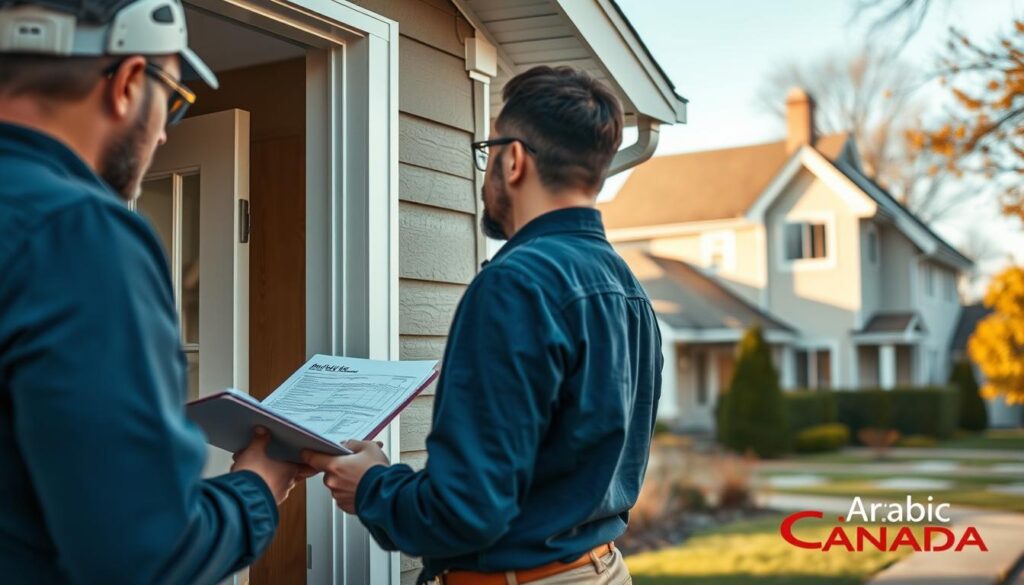
For anyone buying a home, this evaluation is your strongest safeguard. It reveals hidden problems that could lead to massive repair bills after you move in.
I strongly advise including this condition in your purchase offer. It grants you the power to renegotiate the price, request repairs, or withdraw your offer if severe issues are found. This knowledge transforms you from a hopeful buyer into an informed investor.
This process protects your investment and provides the confidence needed to proceed with one of life’s biggest decisions.
The Role of a Professional Home Inspector
Canada’s regulatory landscape for building assessors differs dramatically from coast to coast. This variation creates important considerations for every property purchaser.
Qualifications and Licensing in Canada
Currently, only Alberta and British Columbia mandate formal licensing for home inspectors. In BC, professionals need specialized education approved by Consumer Protection BC. They must also pass a rigorous examination.
Alberta requires education from approved institutions before inspectors can practice. Other provinces lack mandatory certification requirements. This means virtually anyone can offer evaluation services in most regions.
| Province | Education Required | Licensing Body | Key Features |
|---|---|---|---|
| British Columbia | Specialized approved education | Consumer Protection BC | Mandatory exam, regulated standards |
| Alberta | Approved institution education | Provincial licensing | Formal training required |
| Other Provinces | No mandatory requirements | Voluntary certification only | CAHPI certification recommended |

Choosing a Qualified Inspector
I always recommend seeking professionals with CAHPI certification. This demonstrates they’ve met national standards even where licensing isn’t required.
Ask about their experience, training, and insurance coverage. Membership in professional associations indicates commitment to quality. Get referrals from your real estate agent or trusted contacts.
The right home inspector provides crucial protection for your investment. Their thorough visual examination identifies deficiencies in all accessible systems. This knowledge empowers your purchasing decision with confidence.
Essential Elements of a “home inspection checklist Canada”
When I work with buyers across Canada, I emphasize that organization is the key to avoiding costly surprises. A systematic approach transforms property evaluation from overwhelming to manageable. This framework ensures you examine every critical component thoroughly.
Overview of Inspection Categories
A comprehensive assessment covers all major systems in logical sequence. The evaluation should progress from exterior to interior, ensuring no area is missed. This methodical approach provides complete property understanding.
Key categories include roofing, structural elements, plumbing, electrical systems, and HVAC. Each section requires specific attention to detail. Proper ventilation and insulation areas also demand careful examination.
I recommend dividing your assessment into exterior and interior sections. This organization helps maintain focus during the process. It also simplifies comparing different properties you consider.
Benefits of a Comprehensive Checklist
Using a detailed guide prevents important issues from being overlooked. It provides consistency when evaluating multiple properties. This systematic method gives you reliable comparison data.
The framework helps identify both visible concerns and hidden problems. It also highlights items needing future maintenance or replacement. This forward-looking approach supports better budgeting decisions.
I always bring my own assessment tool to property viewings. It keeps me organized and ensures I ask the right questions. This preparation maximizes the value of each evaluation session.
Detailed Interior Home Inspection Guide
Moving inside the property reveals crucial details about its true condition and potential maintenance needs. I systematically evaluate every room to identify issues that could impact your daily life and budget.
This thorough interior assessment covers both visible surfaces and hidden systems. Proper evaluation helps you understand the property’s actual state before making your final decision.
Kitchen, Bathroom, and Living Areas
I begin with the kitchen, testing sink faucets for proper water pressure and flow. All appliances must be working correctly, including dishwashers and garbage disposals.
I check under sinks for plumbing leaks and examine cabinets for water damage. Countertops should show no cracks or deterioration that might indicate underlying issues.
Bathrooms require similar attention to fixtures and drainage. I verify toilets flush properly and showers drain without delay. Tile condition around tubs and showers can reveal water infiltration problems.
Throughout living areas, I walk across floors listening for squeaks that might signal structural concerns. Walls and ceilings get examined for cracks or stains indicating water damage. Windows and doors should operate smoothly with intact seals.
Basement, Attic, and Structural Components
The basement often reveals the most telling signs of property condition. I look for water damage on floors and ceilings, checking for large cracks in exposed foundation walls.
Proper ventilation and insulation in the attic prevent moisture buildup and energy loss. I examine structural wood for decay and check for stains indicating roof leaks.
Heating and cooling systems need verification of adequate airflow throughout the property. Clean air filters and well-maintained ductwork ensure efficient operation.
I recommend using a comprehensive interior evaluation checklist to ensure no area gets overlooked during your assessment.
Detailed Exterior Home Inspection Guide
Your exterior evaluation provides the first impression of a dwelling’s structural integrity and upkeep. This assessment covers critical components where early detection of problems can prevent major expenses.

I systematically examine every external element to identify potential concerns. This approach ensures no important details are overlooked during your property assessment.
Foundations, Roof, and Chimney
The foundation requires careful examination for straight lines and absence of cracks. I check for signs of settling that might indicate structural movement.
Roof inspection involves checking shingles for damage like curling or granule loss. Chimneys and gutters need verification of proper condition and installation.
Flashing around roof penetrations must remain intact to prevent water infiltration. These elements work together to protect the structure from weather damage.
Property Drainage and Surroundings
Proper drainage is essential for preventing water-related issues. I verify downspouts direct water away from the foundation and check for standing water.
The property grading should slope away from the building to ensure good water flow. Healthy vegetation and proper tree placement prevent damage to exterior surfaces.
Decks, railings, and steps require stability checks for safety. I examine these features for rot or deterioration that might need attention.
| Exterior Component | Key Inspection Points | Potential Issues |
|---|---|---|
| Foundation | Straight alignment, crack absence | Structural movement, water penetration |
| Roof System | Shingle condition, flashing integrity | Leaks, premature aging |
| Drainage | Grading slope, downspout direction | Water damage, foundation problems |
| Exterior Walls | Surface condition, material integrity | Moisture issues, deterioration |
| Safety Features | Railing stability, step condition | Hazard risks, repair needs |
Garage doors should operate smoothly, and driveways need even surfaces without significant cracks. These elements contribute to the overall property condition and safety.
Identifying Red Flags That Could Cost You $50,000+
Throughout my career, I’ve identified specific property issues that consistently lead to repair bills exceeding $50,000. These warning signs demand immediate attention during your evaluation process.
Water Damage and Structural Cracks
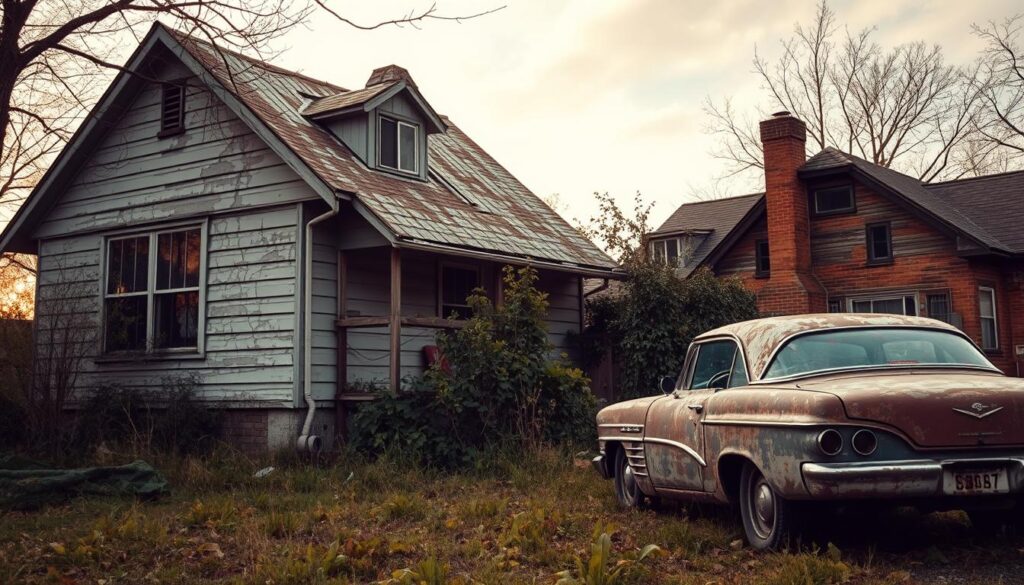
Water-related problems rarely exist in isolation. They typically indicate multiple concerns including mold growth, wood rot, and faulty plumbing. When I find moisture issues, I immediately check for foundation movement.
Foundation cracks represent some of the most expensive repairs you might face. Significant settling or large fractures often signal structural problems throughout the building. Addressing these concerns can easily surpass $50,000 depending on severity.
Electrical, Plumbing, and HVAC Concerns
Outdated electrical systems with aluminum wiring present serious safety hazards. Complete rewiring becomes necessary to prevent fire risks, costing $30,000-$50,000+. Similarly, plumbing with Poly B pipes requires full replacement to avoid leaks.
Heating and cooling systems at the end of their lifespan create another financial exposure. Inadequate ventilation often causes attic moisture damage, compounding repair costs. These interconnected problems can devastate your budget if overlooked during the assessment.
When your property evaluation reveals any of these red flags, obtain detailed repair estimates from qualified contractors. This information empowers your negotiation position or might justify walking away from the deal entirely.
Navigating Inspection Reports and Repair Negotiations
Understanding the findings in your professional assessment document is where real negotiation power begins. This crucial document transforms observations into actionable strategies for your property acquisition.
Modern evaluation documents provide comprehensive digital formats with detailed imagery. They organize findings by severity and include specific recommendations for addressing each concern.
Decoding the Inspection Report
Focus first on the summary section where the inspector highlights critical safety concerns. These issues demand immediate attention and significantly impact your purchasing decision.
Differentiate between urgent repairs and minor maintenance items. Safety hazards require prompt resolution, while cosmetic issues can often be addressed over time.
Make sure you understand which systems are nearing replacement age. This knowledge helps you budget for future expenses beyond the immediate purchase.
Negotiation Strategies Based on Inspection Findings
When significant problems surface, you have several negotiation options. Requesting price reductions reflecting repair costs is often the most effective approach.
Alternatively, you can ask sellers to complete specific repairs before closing. Some buyers prefer receiving financial concessions to manage repairs themselves.
I always recommend obtaining contractor estimates before negotiations. Concrete numbers provide leverage and ensure fair compensation requests.
Remember that including an assessment condition in your offer protects your deposit. If unresolved issues exceed your comfort level, walking away remains a viable option.
Pre-Purchase Inspections: When and Why They Matter
Scheduling your assessment at the right moment creates crucial leverage in negotiations. This timing intersects with mortgage approval, insurance requirements, and your ability to exit the deal if necessary.
Inspection Timing and Mortgage Considerations
Most purchasers schedule their evaluation shortly after offer acceptance. This occurs during the contingency period specified in the purchase contract.
You typically have 7-10 days to complete the examination and decide whether to proceed. I always recommend attending the process in person rather than just reviewing the report later.
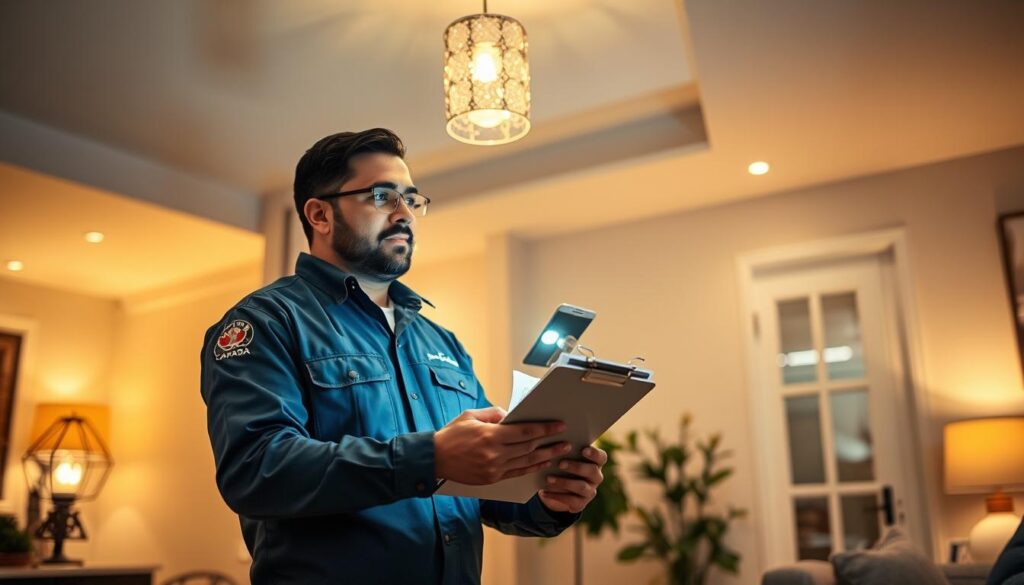
Being present allows you to ask questions and see problems firsthand. This provides a real feel for the property’s condition that documents cannot convey.
Some mortgage lenders require an assessment before approving financing. They want to ensure they’re not lending on a dwelling that could lose value. Insurance companies may also demand evaluations before providing coverage.
| Timing Factor | Recommended Action | Potential Impact |
|---|---|---|
| Contingency Period | Schedule within 7-10 days | Preserves exit option |
| Lender Requirements | Complete before final approval | Affects financing |
| Insurance Needs | Address before closing | Impacts coverage |
| Personal Attendance | Block 2-4 hours | Enhances understanding |
Including an inspection contingency in your offer is absolutely essential. This gives you the legal right to walk away if major problems surface. I’ve seen buyers waive this condition only to discover costly defects after closing.
Tips for a Successful Home Inspection Experience
A successful property evaluation experience requires preparation from both buyers and sellers. Proper planning ensures the process reveals crucial information without unnecessary delays or complications.
For purchasers attending the assessment, I recommend blocking 2-3 hours to follow the professional through each area. This allows you to observe their examination methods and ask questions immediately when concerns arise.
Essential Preparation Steps
Bring your own camera to document any issues the inspector identifies. Having personal photos alongside the official report helps when discussing repairs with contractors later.
Make sure you understand all technical terms in the report. Good evaluators explain findings in plain language and clarify significance.
When specific systems raise concerns, hire additional specialists. Foundation issues warrant structural engineers, while electrical problems need licensed electricians.
For sellers preparing their house, clear access to critical areas is vital. Remove items blocking electrical panels, furnaces, water heaters, and attic hatches.
Ensure all utilities remain active during the visit. Inspectors cannot test systems that aren’t working, which may raise unnecessary concerns.
Keep maintenance records and renovation permits readily available. Documentation demonstrates proper care and answers questions about wiring, plumbing, or heating systems.
- Buyers gain comprehensive understanding through active participation
- Sellers facilitate thorough examination by providing clear access
- Both parties benefit from organized documentation and preparation
Conclusion
Navigating a property purchase requires careful attention to detail. A professional home inspection checklist is your most powerful tool for uncovering hidden issues. This process provides crucial insight into a dwelling’s true state.
I cannot stress enough the value of this evaluation. It protects you from unforeseen problems that can lead to massive repair bills. The peace of mind gained is well worth the initial cost.
Use the knowledge from this guide to approach your next real estate transaction with confidence. A thorough assessment of the foundation, roof, and all major systems empowers your decision-making. Understanding the final report allows for informed negotiations.
This proactive step ensures your investment remains secure. It transforms a significant purchase from a potential risk into a sound financial decision.