

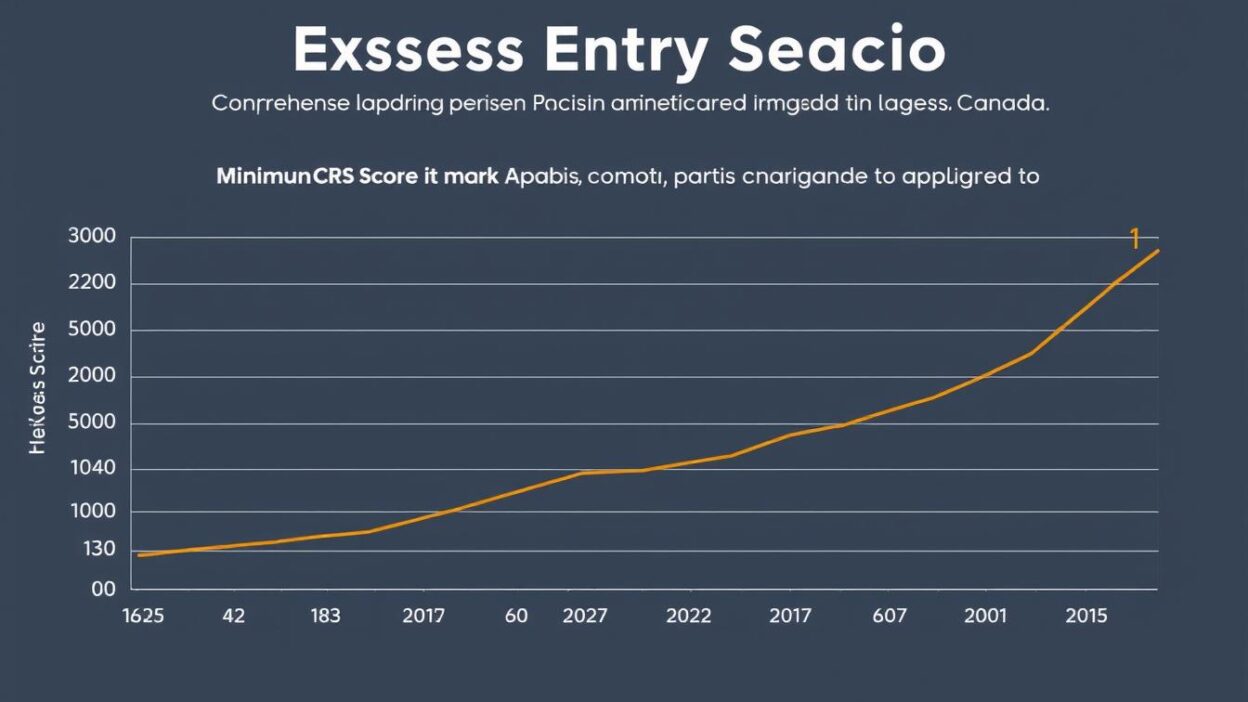
Did you know that Canada has already issued over 85,000 invitations to apply for permanent residence in 2025? This massive number highlights the ongoing demand for skilled professionals. The immigration landscape is constantly shifting, and staying informed is your first step toward success.
The most recent selection round, #373 on October 15, marks a pivotal moment. It specifically targeted healthcare and social services occupations. For candidates in these fields, the Comprehensive Ranking System cut-off was set at 472.
This development is particularly significant for applicants from Arab nations. Understanding the specifics of this invitation round can reveal new opportunities. I will break down what these changes mean for your application strategy.
We will explore how this CRS score compares to previous rounds and why timing is everything. Knowledge of these patterns can dramatically improve your chances of receiving an Invitation to Apply.
Key Takeaways
- The October 15, 2025, selection round targeted healthcare and social services jobs.
- The minimum Comprehensive Ranking System cut-off was 472 points.
- Immigration, Refugees and Citizenship Canada issued 2,500 invitations in this round.
- This event is part of a larger trend of high cut-off scores in 2025.
- Arab applicants should pay close attention to occupation-specific draws.
- Understanding the tie-breaking rule timestamp is crucial for profile submission timing.
Overview of Express Entry 2025 Draw Results
With 248,342 candidates waiting in the pool, the October 15 selection reveals intense competition for healthcare professionals. This was the 43rd invitation round of the year, continuing a pattern of targeted approaches to address specific labor market needs.
Key Findings from the October 15, 2025 Draw
The category-based selection focused specifically on healthcare and social services occupations. Immigration authorities issued 2,500 invitations with a Comprehensive Ranking System cut-off of 472 points.
This strategic approach reflects Canada’s ongoing effort to fill critical workforce gaps. The healthcare sector remains a top priority due to demographic shifts and population aging trends.
When comparing this event to other category-based selections in 2025, we see consistent patterns. The tie-breaking rule timestamp of May 12, 2025, underscores the importance of early profile submission.
For Arab applicants with qualifications in these fields, these targeted selections present significant opportunities. Understanding these patterns helps candidates position themselves strategically within the competitive pool.
Understanding the Comprehensive Ranking System (CRS)
At the heart of Canada’s immigration selection lies a points-based mechanism that evaluates candidates’ potential for economic success. This transparent Comprehensive Ranking System assigns up to 1,200 points based on human capital factors that predict integration into the Canadian workforce.
Breakdown of Score Calculation
The CRS score evaluates core human capital factors that contribute to economic success. Points are allocated for age, education level, work experience, and language abilities. Younger candidates typically receive maximum points, with the highest scores going to those aged 20-29.
Education credentials are weighted heavily, with additional points awarded for Canadian degrees or diplomas. Work experience, both domestic and international, contributes significantly to the final score. The Comprehensive Ranking System provides a clear framework for understanding how these elements combine.
Factors Influencing CRS Scores
Language proficiency dramatically impacts your CRS results. Higher Canadian Language Benchmark levels translate to substantially more points. French or English test results can make or break your ranking position.
A provincial nomination adds 600 points to your CRS score, virtually guaranteeing an invitation. Other boosters include having siblings in Canada, arranged employment, and Canadian study experience. Understanding these factors helps candidates strategically improve their standing.
Implications for Arab Applicants
Arab applicants navigating Canada’s skilled immigration system encounter specific advantages and challenges based on their regional background. The express entry pool contains many qualified candidates from Arab nations who bring valuable skills.

Language proficiency presents both obstacles and opportunities. Many Arab professionals from Egypt, Jordan, and the UAE possess strong English skills from their education systems. This gives them a competitive edge in the entry pool.
For applicants from Francophone countries like Morocco and Lebanon, French language skills offer additional advantages. They can target French-language category selections with lower CRS requirements.
Educational Credential Assessment is crucial for validating degrees from Arab universities. Most recognized institutions receive positive evaluations when properly documented.
Professional experience in healthcare, engineering, and IT aligns well with Canada’s labor needs. These qualifications significantly boost CRS scores for Arab candidates.
To maximize competitiveness in the express entry pool, I recommend improving language test scores and considering Canadian study options. Strategic preparation enhances success rates for all candidates in the selection pool.
Detailed Analysis of the Latest Express Entry Draw
Healthcare professionals received special attention in the most recent selection process, highlighting sector priorities. The October 15 invitation round represents a strategic move to address Canada’s critical workforce gaps.
Invitation Rounds: Healthcare and Social Services Occupations
This category-based selection included physicians, registered nurses, and personal support workers. These occupations are essential to maintaining Canada’s healthcare system quality.
The 472-point threshold made this selection more accessible than general rounds. Candidates needed approximately five months in the pool to be competitive.
Arab applicants with experience in advanced medical systems have strong positioning. Continuous profile improvement remains crucial for success in future selection rounds.
This approach aligns with Canada’s immigration levels plan for 2025-2027. The program demonstrates commitment to strengthening social services through targeted selections.
Historical Draw Trends and Comparative Analysis
Understanding the historical patterns of Canada’s immigration selection system reveals crucial insights for today’s applicants. The Express Entry mechanism has undergone significant transformations since its 2015 introduction.
Early selection rounds featured dramatically different competitive landscapes compared to current procedures. The very first draw in January 2015 required an exceptionally high score of 886 points.
Highlights from Past Draws (2015-2021)
I’ve compiled key historical data that demonstrates how cut-off points have evolved. This table shows the progression from general selections to targeted approaches.
| Year | Notable Draw | CRS Cut-off | ITAs Issued | Program Focus |
|---|---|---|---|---|
| 2015 | First Draw | 886 | 779 | All Programs |
| 2017 | General Round | 413-458 | Varies | Federal Skilled Worker |
| 2021 | February 13 | 75 | 27,332 | Canadian Experience Class |
| 2016 | Multiple Rounds | 453-538 | Varies | General Selection |
The COVID-19 pandemic created unique circumstances in 2020-2021. Authorities prioritized applicants already in Canada during this period.
Today’s category-based draws represent a fundamental shift from earlier approaches. Arab applicants can use this historical context to anticipate future selection trends.
Express Entry Latest Draw: In-Depth Overview
The tie-breaking mechanism applied to the October 15 selection underscores why early profile submission matters significantly. When multiple individuals reach the same CRS score at the cut-off point, Immigration, Refugees and Citizenship Canada uses submission timing as the decisive factor.

For this specific express entry draw, only candidates with profiles submitted before May 12, 2025, received invitations if they had the minimum score. This timing element often determines success when competition is intense.
What the New Minimum CRS Score Means
A 472-point CRS threshold typically requires strong qualifications. Most successful candidates possess a master’s degree, excellent language test results, and several years of professional experience.
This entry draw result aligns with healthcare selections throughout 2025. The table below shows how consistent these category-based thresholds have remained.
| Draw Date | Category | CRS Cut-off | ITAs Issued |
|---|---|---|---|
| March 2025 | Healthcare | 468 | 2,800 |
| July 2025 | Healthcare | 475 | 2,600 |
| October 2025 | Healthcare | 472 | 2,500 |
For Arab applicants below 472 points, strategic improvements can boost competitiveness. Language test retakes or additional work experience often yield meaningful CRS score increases within months.
Remember that cut-off scores represent the lowest-ranked invited candidate. They don’t guarantee future selection thresholds. Entering the pool early remains the most reliable strategy for all candidates.
Category-Based Draws and Their Significance
The shift to targeted immigration draws represents a strategic response to Canada’s evolving economic priorities. This new selection framework allows Immigration, Refugees and Citizenship Canada to address specific labor market gaps more effectively.
Six categories now receive priority treatment: French-language proficiency, healthcare and social services occupations, STEM fields, trade occupations, transport positions, and agriculture roles. The program specifically targets candidates with qualifications in these high-demand areas.
Selection Criteria for Healthcare and Social Services
Healthcare occupations remain a top priority for 2025 selections. Physicians, registered nurses, and social workers qualify under specific National Occupational Classification codes.
French-language proficiency offers significant advantages in category-based selections. Candidates with strong French language skills often face lower Comprehensive Ranking System thresholds.
The 2025-2027 immigration plan allocates 41,700 spots for category-based draws. French-language applicants receive the largest share, followed by healthcare professionals and trade occupations.
Arab applicants with relevant qualifications should highlight their language proficiency and occupational experience. Proper profile documentation ensures eligibility for these targeted invitations.
Provincial Nomination Program (PNP) Insights
The Provincial Nominee Program operates as a parallel track within Canada’s immigration system. This program allows regions to address their specific economic needs directly. Provinces and territories nominate candidates whose skills match local labor market demands.
A provincial nomination adds 600 points to a candidate’s Comprehensive Ranking System score. This bonus virtually guarantees an Invitation to Apply in subsequent selection rounds. Recent PNP draws demonstrate this advantage clearly.
October 14, 2025 saw 345 invitations with a cut-off of 778 points. September selections included 291 invitations at 855 points and 228 at 746 points. These high thresholds reflect the 600-point bonus, meaning base scores ranged from 146-255.
I expect PNP draws to decline sharply in 2025 due to reduced admissions targets. However, the biweekly frequency should remain steady. Ontario, British Columbia, and Alberta historically issue the most nominations.
For Arab applicants, researching province-specific needs is crucial. Consider settlement locations beyond major urban centers. Alignment with regional priorities determines success in this competitive program.
While the provincial nominee program offers a powerful advantage, the nomination process requires strategic preparation. Each province has different streams and eligibility criteria. Understanding these variations helps candidates maximize their opportunities.
The Impact of the Express Entry Pool on Candidate Selection
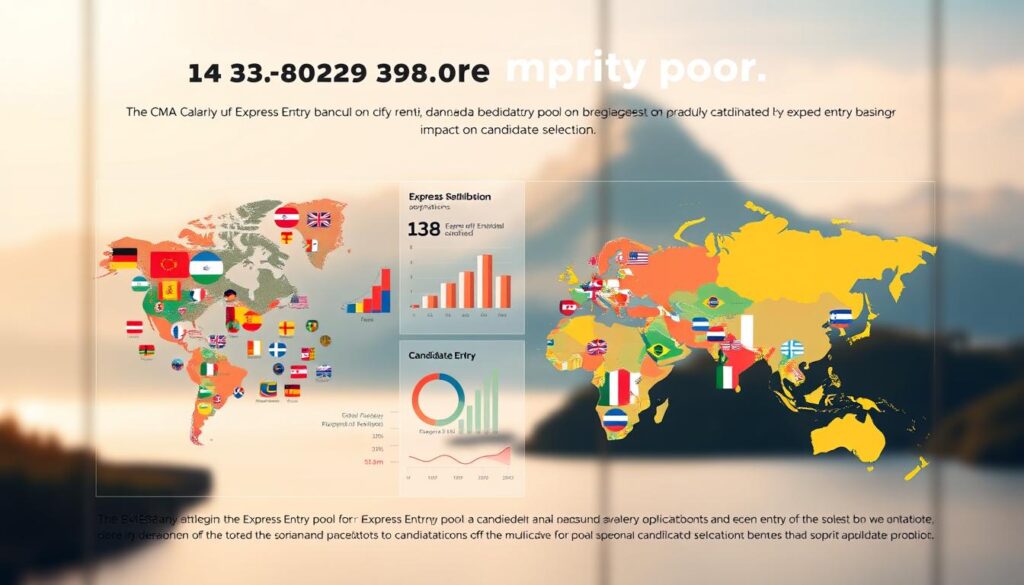
With over 248,000 individuals competing for limited spots, the distribution of CRS scores becomes a critical factor in selection outcomes. The composition of this massive applicant pool directly shapes invitation thresholds for every selection round.
Demographic and CRS Distribution Considerations
The current express entry pool contains 248,342 candidates as of October 13, 2025. This creates intense competition for the limited invitations issued in each selection round.
Thousands of individuals have scores above 500 points. Many more cluster in the 460-500 range where category-based selections typically set their cut-offs. This concentration of high-quality candidates keeps the CRS bar elevated.
The entry pool functions as a dynamic ranking system. Candidates are continuously added, removed after receiving invitations, and updated as circumstances change. Profile expiration after 12 months also affects pool composition.
Understanding score distribution helps applicants set realistic expectations. The table below shows typical CRS bands within the current express entry pool:
| CRS Score Range | Estimated Candidates | Competitiveness Level |
|---|---|---|
| 500+ points | Thousands | Highly competitive |
| 460-500 points | Substantial numbers | Category-based target |
| 400-459 points | Significant group | Needs improvement |
| Below 400 points | Large portion | Strategic planning required |
Younger candidates typically dominate the pool due to maximum age points. Highly educated applicants and those with Canadian connections also feature prominently. Understanding these demographic patterns helps Arab applicants assess their relative positioning.
French Language Proficiency and its Role in Draw Outcomes
French proficiency has emerged as one of the most powerful assets in Canada’s immigration selection process. Candidates with strong French language skills consistently face significantly lower CRS thresholds than other applicants.
The data clearly demonstrates this advantage. French-language selections maintain the lowest cut-off scores across all categories.
| Draw Date | CRS Cut-off | ITAs Issued |
|---|---|---|
| March 21, 2025 | 379 | 7,500 |
| July 8, 2024 | 410 | 3,200 |
| October 6, 2025 | 432 | 4,500 |
Canada’s commitment to bilingualism drives this prioritization. The 2025-2027 immigration plan allocates approximately 26,396 spots for French-language applicants.
Arab applicants from Francophone countries like Morocco and Lebanon possess a natural advantage. They can leverage existing French language proficiency or pursue targeted training.
Candidates must demonstrate their language proficiency through approved tests like TEF Canada. Bilingual applicants receive additional CRS points beyond the category advantage.
For strategic preparation, I recommend exploring resources like the previous selection analysis. Achieving qualifying French scores typically requires 6-12 months of dedicated study.
Canadian Experience Class: Benefits and Challenges
For skilled workers who have built careers in Canada, the Canadian Experience Class represents a streamlined immigration option. This federal program specifically targets individuals with valuable Canadian experience gained through temporary work permits.
The experience class offers significant advantages. Candidates face less competition since these selections exclude Federal Skilled Worker applicants. Canadian work experience demonstrates proven integration potential.
However, current conditions present challenges. The 2025 program selections maintain a high CRS threshold of 534 points. This requires strong language scores and typically Canadian education credentials.
“Canadian work experience remains one of the strongest predictors of long-term economic success for immigrants.”
Recent Canadian Experience Class selections show consistent patterns:
| Date | ITAs Issued | CRS Cut-off |
|---|---|---|
| October 1, 2025 | 1,000 | 534 |
| September 3, 2025 | 1,000 | 534 |
| August 7, 2025 | 1,000 | 534 |
Arab applicants can pursue this pathway through post-graduation work permits or employer-specific arrangements. Maintaining legal status and improving CRS scores while gaining Canadian experience maximizes eligibility for this valuable program.
Lower Immigration Levels and Elevated CRS Scores
Canada’s strategic approach to immigration in 2025 has created a more competitive landscape for skilled professionals. The government’s reduced economic class targets directly influence selection thresholds throughout the system.
Fewer available spots mean higher CRS score requirements across most categories. This policy shift reflects careful planning rather than random fluctuation in selection rounds.

The three-month pause in Canadian Experience Class selections created significant applicant backlog. When these draws resumed, the accumulated demand pushed score requirements upward.
Provincial nomination reductions have further intensified competition. Many qualified candidates now compete without the 600-point nomination advantage.
| Year | Expected ITAs | Economic Class Target | Average CRS Range |
|---|---|---|---|
| 2021 | 100,000+ | High | 75-450 |
| 2024 | 90,000-110,000 | Moderate | 450-550 |
| 2025 | 90,000-110,000 | Moderate | 460-550 |
Economic conditions and housing concerns influenced these policy decisions. The government aims to balance labor market needs with settlement capacity.
For Arab applicants, this means maximizing every possible CRS point becomes essential. Strategic profile development can still lead to successful invitations despite elevated thresholds.
Tie-Breaking Rules and Application Timing
When multiple applicants reach the exact same ranking threshold, a simple timestamp determines who receives the golden invitation. This tie-breaking mechanism ensures fairness when numerous individuals share identical Comprehensive Ranking System scores at the selection cut-off.
Immigration authorities prioritize profiles submitted earlier by setting a specific date and time boundary. For the October 15 selection, only candidates with profiles created before May 12, 2025 qualified if they reached the 472-point threshold.
How Timing Influences ITA Issuance
The five-month gap between profile submission and selection demonstrates why early pool entry matters. Candidates who joined the system in May maintained their advantage despite identical scores with later entrants.
This timing element creates strategic urgency for applicants nearing current cut-off scores. Entering the pool early establishes your position in the queue, even if your score needs improvement.
Fortunately, profile updates don’t affect your original submission timestamp. You can enhance language scores, add education credentials, or include new work experience while preserving your place in line.
I recommend submitting your profile immediately upon meeting minimum eligibility requirements. Waiting for perfect scores could cost you valuable positioning in future selection rounds.
The tie-breaking rule applies consistently across all selection types. Understanding this timing dynamic helps candidates maximize their opportunities within Canada’s competitive immigration system.
Strategies to Increase Your CRS Score
Language proficiency represents the most impactful area for immediate CRS score improvement among all available strategies. Candidates have direct control over their test results, making this the fastest path to boosting your ranking.
I recommend E2 Test Prep for English improvement, which has helped over 2 million students. Focus Frame French offers specialized training with code M2C for $50/month off. Moving from CLB 7 to CLB 9 can add 50+ points to your score.
Canadian education credentials provide dual benefits. They add direct points while creating pathways to valuable Canadian experience through post-graduation work permits. A provincial nomination adds 600 points, essentially guaranteeing an invitation.
Additional strategies include gaining more work experience, particularly Canadian experience, and pursuing higher credentials. Language retesting yields results in 1-3 months, while education requires longer planning.
Remember that Educational Credential Assessment through World Education Services is mandatory. This ensures proper recognition of your qualifications and maximizes your CRS potential.
Staying Informed: Tracking the Express Entry Draw System
Successfully navigating Canada’s immigration system requires staying current with the rapidly changing selection process. I recommend using a combination of official and third-party resources for the most comprehensive picture.

The official IRCC website publishes results immediately after each selection round. This provides the most accurate and timely information directly from the government.
Utilizing Moving2Canada and Other Resources
Moving2Canada offers detailed analysis that helps candidates understand what each selection means. Their weekly forecasts provide valuable predictions for upcoming events.
Subscribing to their newsletter delivers updates directly to your inbox. You join a community of 200,000 aspiring Canadians sharing this journey.
This platform breaks down complex immigration trends into actionable insights. Their expertise is particularly valuable given the unpredictable nature of the process.
Official IRCC Updates and Tools
The government conducts selections without advance notice of dates or cut-off scores. This makes reliable tracking resources essential for planning.
I recommend using official tools like the CRS calculator for score estimation. The Come to Canada tool helps assess your program eligibility accurately.
For immediate announcements, follow IRCC’s official social media accounts. The table below summarizes key tracking methods:
| Resource Type | Primary Function | Update Frequency |
|---|---|---|
| IRCC Website | Official draw results | Immediately after draws |
| Moving2Canada | Analysis and forecasts | Weekly and post-draw |
| CRS Calculator | Score estimation | On-demand tool |
| IRCC Social Media | Quick announcements | Real-time updates |
Staying informed in this dynamic landscape can significantly impact your application strategy. Using these resources together provides the best preparation for future opportunities.
Industry Analysis and Expert Opinions on Current Trends
Industry experts observe significant policy shifts in Canada’s immigration selection approach for 2025. Regulated Canadian Immigration Consultants note the movement toward category-based invitations creates unpredictable patterns. The government has moved away from regular biweekly selections that characterized previous years.
Analysts anticipate Provincial Nominee Program invitations will decline sharply due to reduced allocation targets. However, the frequency of these draws may remain consistent. The federal skilled worker program faces potential reduction in general selection opportunities.
Canadian Experience Class selections are expected to become more prominent. The government prioritizes candidates already in Canada who can immediately contribute to the labor market. This reflects strategic economic planning for skilled worker integration.
Category-based selections will continue emphasizing Healthcare, Trades, and French-language proficiency. These areas address Canada’s most critical labor shortages. The table below summarizes expert predictions for 2025:
| Selection Type | Expected Frequency | Predicted Focus Areas |
|---|---|---|
| Category-Based Draws | 1-2 per month | Healthcare, Trades, French |
| PNP Draws | Biweekly (reduced volume) | Province-specific needs |
| CEC Draws | Increasing prominence | In-Canada applicants |
| General Draws | Potential discontinuation | Uncertain future |
These trends represent a major policy shift that fundamentally changes strategy for many applicants. Federal skilled worker candidates without category-specific qualifications may face fewer opportunities. The immigration landscape continues evolving based on economic needs and government priorities.
Steps for Aspiring Immigrants Preparing for Future Draws
The path to becoming a permanent resident of Canada involves a series of well-defined steps that candidates must navigate methodically. I recommend starting with the official Come to Canada tool to determine your eligibility for the Federal Skilled Worker, Federal Skilled Trades, or Canadian Experience Class programs.
Once you confirm your eligibility, gather all required documentation before creating your profile. This includes language test results, Educational Credential Assessment reports, and detailed work reference letters. Accuracy is crucial during profile submission.
After entering the pool, you receive a Comprehensive Ranking System score. If invited, you have 60 days to submit your complete permanent residence application. I advise starting this process 12-18 months before your intended immigration date.
The standard processing time is six months, though actual timelines may vary. Successful applicants receive a Confirmation of Permanent Residence and complete landing procedures to officially become permanent residents.
Conclusion
Successful immigration outcomes stem from combining strong qualifications with smart application strategies. The October 15 selection round demonstrated Canada’s continued focus on healthcare professionals with a 472-point threshold.
While the 2025 landscape remains highly competitive, strategic opportunities exist for well-prepared Arab applicants. Understanding different selection types—general, program-specific, and category-based—helps target the right pathways.
French-language proficiency offers exceptional advantages with lower cut-offs. Early pool entry establishes favorable timing positions for all candidates.
Continuous improvement through language enhancement and credential upgrading remains essential. Staying informed with reliable resources ensures you’re prepared for future opportunities.
Despite the challenges, Arab applicants with strong qualifications and persistent effort can successfully navigate the express entry system to achieve their Canadian immigration goals.