

Did you know that over 70,000 families successfully reunite in Canada each year through family sponsorship programs? For couples separated by borders, this pathway represents hope and a future together.
I understand how overwhelming the immigration journey can feel, especially when you’re navigating it from the Middle East. This comprehensive guide will walk you through every step of bringing your loved one to Canada.
The process allows Canadian citizens and permanent residents to sponsor their spouse or partner for permanent residence. While the standard processing time is around 12 months, several factors can influence your specific case timeline.
Applicants from the Middle East should pay special attention to regional considerations. Visa office locations and documentation requirements may differ slightly from other regions. Proper preparation is essential to avoid unnecessary delays.
You’ll learn about both Inland and Outland application options. Most Middle Eastern applicants pursue the Outland category while their partner resides abroad. Understanding these distinctions early can save valuable time.
This guide provides detailed breakdowns of each stage, from initial submission to final decision. You’ll discover exactly what documents you need and strategies for successful submission.
Key Takeaways
- The standard processing period for family reunification applications is approximately 12 months
- Middle Eastern applicants face unique regional considerations that affect their process
- Proper document preparation significantly reduces the risk of delays
- Understanding the difference between Inland and Outland applications is crucial
- Medical examinations and background checks are mandatory stages in the process
- Realistic expectations help manage stress throughout the waiting period
- Early preparation increases your chances of successful approval
Understanding the Canada Spousal Sponsorship Process
The foundation of a successful application lies in a clear understanding of who can sponsor and who can be sponsored. Both parties have specific criteria they must meet to qualify.
Overview of Eligibility and Requirements
To be an eligible sponsor, you must be a canadian citizen or a permanent resident. You need to be at least 18 years old and live in the country, or prove you plan to return.
Financial stability is a key requirement. You must show you can support your partner without government help. This involves providing employment letters, pay stubs, and tax documents.
Your relationship must also be recognized. This includes legally married spouse, common-law partner (living together for 12 months), or conjugal partners in rare cases.
Your Role as a Sponsor and the Sponsored Partner
As the sponsor, you sign a legal undertaking. You promise financial support for your partner for three years after they gain permanent residency.
The sponsored individual must prove the relationship is genuine. They cannot be inadmissible for criminal, security, or health reasons. Providing strong evidence is critical for approval.
Meeting all these requirements is the first step toward a smooth application process. Proper preparation here prevents significant delays later.
Preparing Your Application and Gathering Documents
Successful applications depend heavily on complete and well-organized documentation packages. I recommend allocating 1-2 months for this crucial preparation phase. Thorough organization prevents unnecessary delays in the immigration process.
Essential Identification and Proof of Relationship
Both partners must provide government-issued identification. This includes valid passports, birth certificates, and any previous immigration documents.
Proof of your genuine relationship is equally important. Compile marriage certificates, joint financial records, and photographs showing your life together. Communication history also strengthens your case.
| Document Type | Sponsor Requirements | Sponsored Partner Requirements |
|---|---|---|
| Identification | Passport, PR card, birth certificate | Passport, national ID, birth certificate |
| Relationship Proof | Joint accounts, shared leases | Marriage certificate, photos, correspondence |
| Financial Evidence | Employment letters, tax returns | N/A |
Financial Evidence and Supporting Documents
As the sponsor, you must demonstrate financial stability. Provide recent employment letters, pay stubs, and tax assessment notices.
Complete forms IMM 5289 and IMM 1344 accurately. These forms outline your sponsorship undertaking and permanent residence application.
Middle Eastern applicants should ensure proper translation of documents. Certified translations are mandatory for non-English or French materials.
Create copies of everything before submission. A well-organized package with a clear cover letter improves processing efficiency.
Canada Spousal Sponsorship Timeline
Different application pathways offer unique advantages depending on your current living situation. I find that understanding these options helps couples make informed decisions about their reunification strategy.

Inland versus Outland Sponsorship Differences
The Inland option suits couples already living together in the country. This pathway allows the sponsored individual to apply for an Open Work Permit during the waiting period.
Outland applications are typically preferred when the partner resides abroad. This approach provides flexibility to maintain employment and family connections during the process.
| Feature | Inland Application | Outland Application |
|---|---|---|
| Location Requirement | Both partners in Canada | Sponsored partner outside Canada |
| Work Permit Eligibility | Open Work Permit available | Not typically available |
| Processing Flexibility | Less flexibility for travel | More flexibility for visits |
Expected Processing Stages and Timeframes
Most applications complete within approximately 12 months. The initial review typically takes a few weeks after submission.
Background checks and medical examinations follow this stage. These requirements vary based on personal history and country of residence.
Final decision-making occurs after all verifications are complete. Individual cases may experience faster or slower processing based on application completeness and complexity.
Initial Review and Sponsor Approval Details
The initial review represents a crucial checkpoint where officers verify the fundamental requirements of your submission. This phase determines whether your case moves forward or requires correction.
Verifying Application Completeness
Officers first check that all required forms are included and properly completed. They verify signatures, payment receipts, and supporting documents. Missing information can cause significant delays.
Your entire package undergoes this thorough examination. Each document must meet specific formatting requirements. Proper organization helps streamline this process.
Criteria for Sponsor Eligibility
The sponsor must demonstrate they qualify under established guidelines. This includes verifying status as citizens or permanent residents. Age verification and residency confirmation are essential steps.
Financial stability assessment follows, though no minimum income applies for spouse cases. The key requirement is proving ability to support without government assistance.
| Eligibility Factor | Required Evidence | Common Issues |
|---|---|---|
| Residency Status | Citizenship certificate or PR card | Expired documents or unclear status |
| Financial Capacity | Employment records and tax documents | Incomplete financial history |
| Legal History | Police clearance certificates | Previous sponsorship defaults |
This stage typically takes 2-4 months. Successful completion results in an Acknowledgment of Receipt. This confirms your application progresses to deeper review.
If returned for incompleteness, address all noted issues promptly. Resubmit quickly to minimize processing delays. Careful preparation prevents most common problems.
Background Checks, Medical and Additional Information Requests
Once your initial submission passes review, immigration authorities conduct thorough background investigations and medical evaluations. This stage typically takes several months and involves multiple verification steps.

Comprehensive Medical Exams and Police Checks
All applicants must complete medical examinations with approved panel physicians. These assessments include physical exams, chest X-rays, and blood tests to ensure public health safety.
The processing of medical results usually takes 1-2 months. Physicians send findings directly to immigration officials for review.
Background checks involve criminal record verification across local, national, and international databases. Security screening identifies potential risks related to terrorism or organized crime.
Police clearance certificates are required from every country where the applicant lived for six months or more since age 18. Obtaining these documents can take 1-3 months depending on the location.
Officials may request additional information during this phase. Common requests include updated proof of relationship, financial documents, or personal history details.
Respond promptly within the 30-60 day deadline provided. Delayed responses can significantly extend processing time and potentially result in application refusal.
Managing Acknowledgment of Receipt (AOR) and Application Tracking
Receiving your Acknowledgment of Receipt marks a significant milestone in your immigration journey. This official confirmation means your submission has entered the processing system.
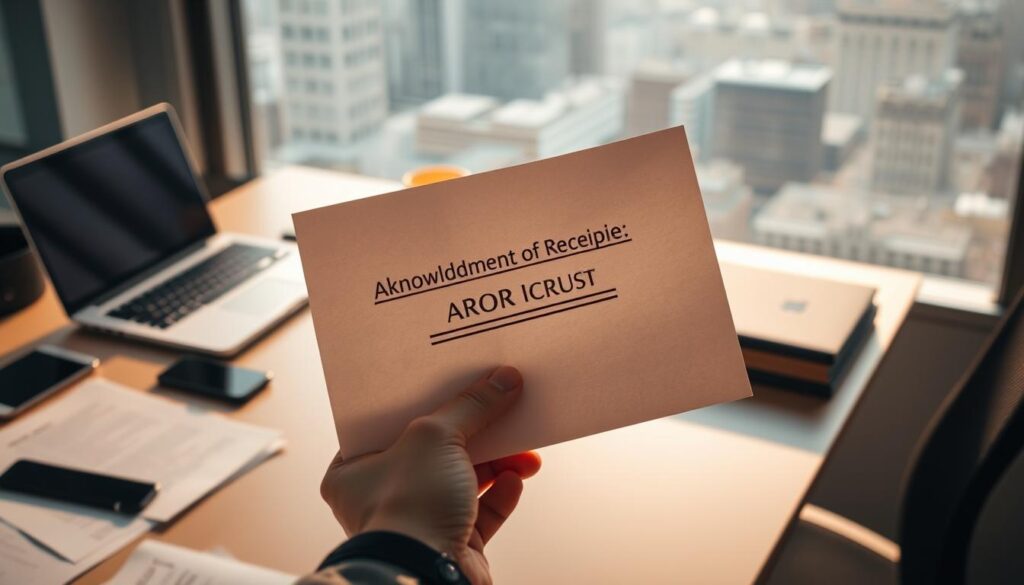
The AOR provides a unique number for all future correspondence. You can use this identifier to monitor your application status through official online portals.
The Importance of Your AOR and How to Monitor It
Typically, you’ll receive this confirmation within 1-2 months after submission. Online applications often process faster than paper submissions.
If you don’t receive your AOR within this timeframe, check your spam folder first. Verify that you provided the correct contact information during submission.
Keep your personal information current throughout the processing period. Notify authorities promptly about address changes or family situation updates.
Your sponsored partner may apply for a visitor visa while waiting. If approved, they might qualify for an Open Work Permit upon arrival.
Sponsors can withdraw their application before permanent residence is granted. You may receive a fee refund if processing hasn’t started.
Strategies for Expediting Your Sponsorship Application
Many applicants overlook simple strategies that could accelerate their case processing. I find that proactive planning often makes the difference between smooth approval and frustrating delays.
The most critical factor in avoiding extended processing time is submitting a complete and accurate package from day one. Missing information or errors trigger requests for additional documents, which can add months to your wait.
Preventive Tips to Avoid Delays
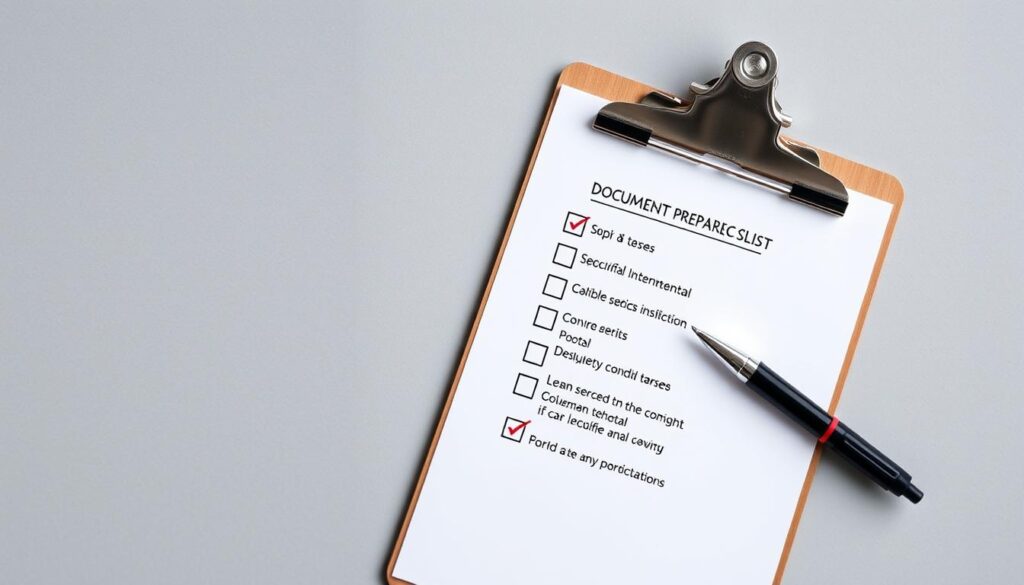
Create a thorough checklist before submission. Verify that all forms contain no blank fields and signatures are in place. Ensure every required document is included and properly organized.
Submit comprehensive proof of your relationship upfront rather than waiting for requests. Include detailed photo documentation and correspondence records. Address any unusual circumstances in your relationship with clear explanations.
Being proactive about potential issues saves valuable time. Explain any gaps in your timeline or previous immigration history preemptively. This demonstrates transparency and reduces follow-up questions.
Effective Communication with IRCC
Respond promptly to any requests for additional information. Submit materials well before deadlines and organize responses clearly with reference numbers. Provide more than the minimum requested when it strengthens your case.
Maintain records of all correspondence and attempts to obtain required clearances. Submit these as evidence of your efforts if delays occur. Keep your contact information current throughout the process.
For complex situations, consider professional review before submission. Qualified consultants can identify potential issues early, potentially saving months of processing time.
Navigating Challenges and External Factors Impacting Processing
Several variables can influence how quickly your family reunification case moves through the system. Understanding these factors helps manage expectations and prepare for potential hurdles.
Common Causes of Delays in the Process
Incomplete submissions are a primary reason for extended processing times. Missing forms or unsigned documents trigger requests for additional information.
Applications from specific regions may face longer security checks. High volumes at visa offices can also slow down individual cases.
Relationship authenticity concerns sometimes lead to interviews. Significant age gaps or short courtship periods often require extra evidence.
Strategies to Address Additional Document Requests
When you receive a request, read it carefully. Gather all required materials promptly and organize them clearly.
Submit your response well before the deadline. Include a cover letter that references your application number.
For complex situations, like delayed police checks, provide proof of your efforts to obtain them. This shows you are acting in good faith.
| Delay Factor | Potential Impact | Proactive Strategy |
|---|---|---|
| Incomplete Application | Returned or put on hold | Use a detailed checklist before submission |
| Complex Background Checks | Extended verification period | Obtain clearances early and explain any issues |
| High IRCC Workload | Slower overall processing | Monitor status online and be patient |
Proactive preparation is your best defense against unexpected delays. A thorough and honest application minimizes the need for follow-up.
Conclusion
The journey toward building a life together in a new country demands careful planning and attention to detail. I’ve seen how proper preparation makes all the difference in family reunification cases.
Thorough documentation and realistic expectations are your greatest assets. Submitting a complete application from the start prevents unnecessary delays. Responding promptly to requests keeps your case moving forward efficiently.
While the process requires patience over several months, the reward of permanent residence for your partner makes the effort worthwhile. With dedication and proper guidance, your family can successfully navigate this important pathway together.