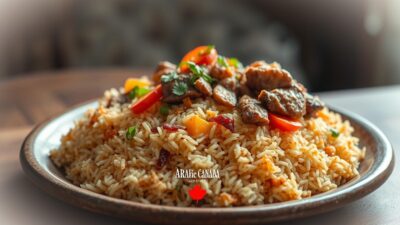

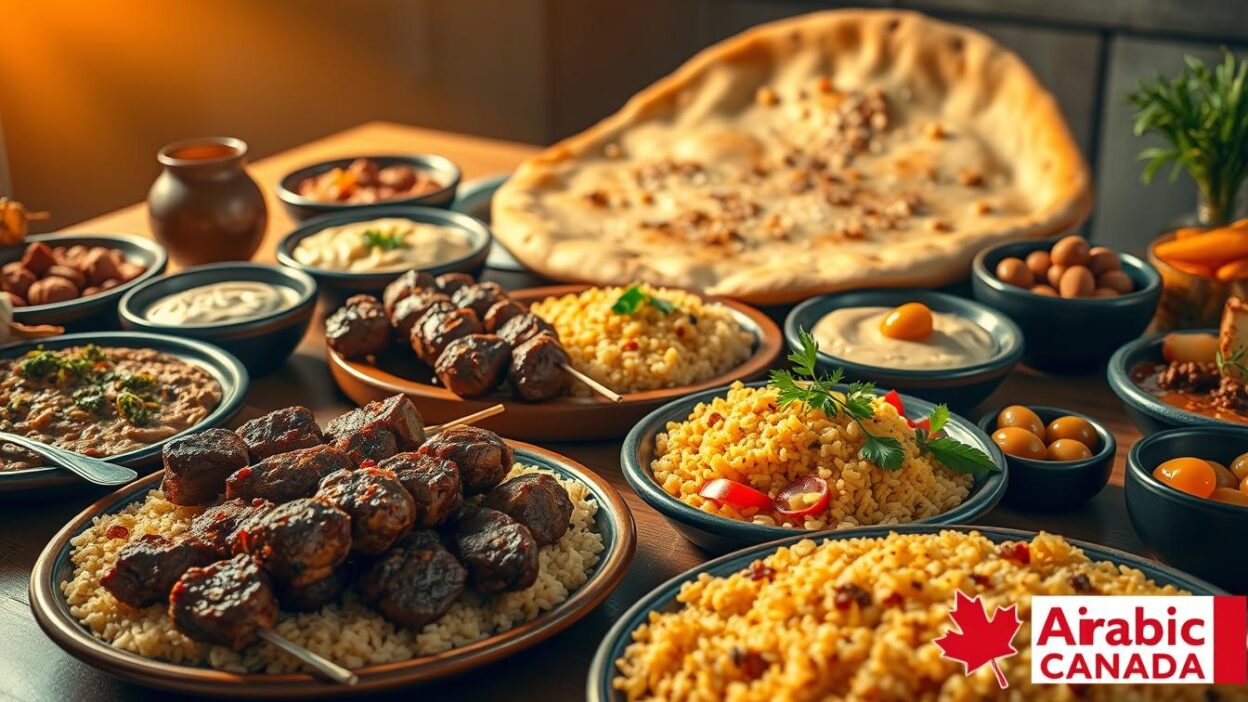
Did you know that searches for Middle Eastern food have surged by over 150% in Canada in the last two years? This explosion of interest shows a deep desire to explore vibrant, flavor-packed cuisine. But many home cooks hit a wall when specialty items are hard to find.
I created this guide to smash that barrier. This collection brings the heart of traditional cooking right into your home, using items from your local grocery store. We honor the soul of these beloved dishes while making them utterly achievable.
You will discover how simple swaps can preserve authentic tastes. This journey is for everyone, from curious beginners to seasoned chefs looking to expand their skills. Let’s dive into a world of aromatic spices and cherished culinary traditions, made practical for your kitchen.
Key Takeaways
- This guide makes authentic Middle Eastern flavors accessible with local grocery store items.
- Smart ingredient substitutions preserve the integrity of traditional dishes.
- The collection is designed for all skill levels, from beginners to experienced cooks.
- You will learn about essential spices and core cooking techniques.
- The adaptations respect cultural heritage while embracing practical, modern cooking.
- Explore a wide range of dishes, from hearty mains to delicate desserts.
Introduction: A Fusion of Arab Heritage and Canadian Ingenuity
Bridging the gap between heritage cooking methods and contemporary kitchen realities reveals surprising synergies between two distinct food cultures. This fusion honors ancient traditions while embracing modern practicality.
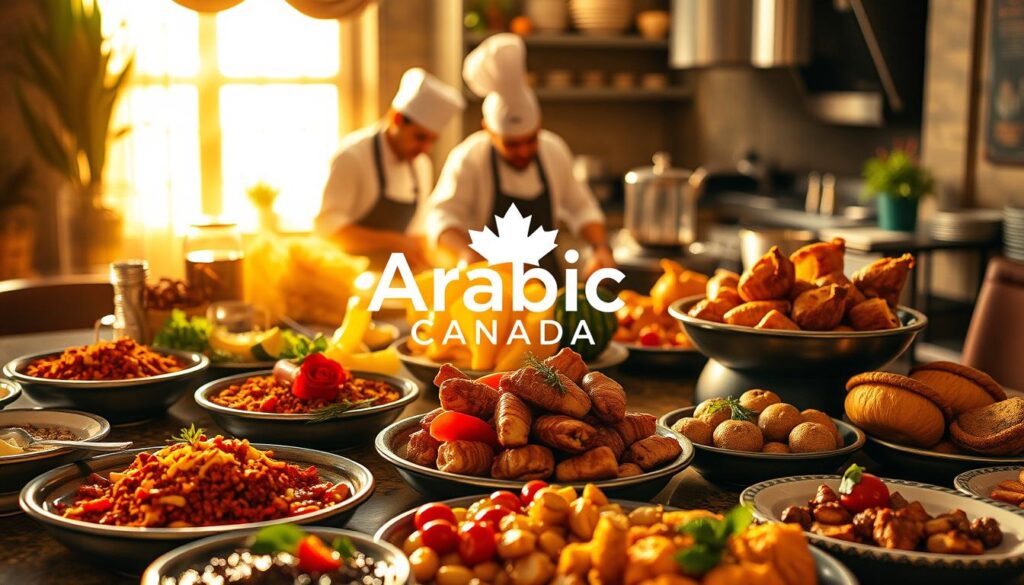
My earliest memories involve family gatherings centered around richly flavored Middle Eastern cuisine. These experiences taught me that food serves as the heart of community and connection.
My Culinary Journey from Arab Kitchens to Canadian Tables
Moving between culinary worlds presented unique opportunities for creative adaptation. I discovered that local grocery stores offer excellent alternatives for traditional components.
This approach maintains authentic tastes while making dishes accessible to everyone. The table below illustrates key adaptation strategies I’ve developed over time.
| Traditional Approach | Adaptation Challenge | Canadian Solution |
|---|---|---|
| Specialty spice blends | Limited availability | Create custom mixes from common spices |
| Traditional cooking fats | Different pantry staples | Use high-quality local olive oil |
| Specific grain varieties | Alternative ingredients needed | Substitute with readily available grains |
| Unique cooking techniques | Modern kitchen limitations | Adapt methods for standard equipment |
Embracing Unique Flavors and Traditions
Many people discover they’ve enjoyed plant-based Middle Eastern dishes their whole lives. Waseem Hijazi from Plant Based Arab shares this realization about daily hummus and comforting mujaddara.
This fusion isn’t about compromising authenticity. It’s about finding intelligent solutions that preserve vibrant flavors regardless of location.
My mission makes these culinary traditions accessible to all food enthusiasts exploring new cuisines. Everyone can enjoy these timeless dishes with thoughtful adaptation.
Mastering Arab Recipes Canadian Ingredients in My Kitchen
When I first began recreating Middle Eastern classics in my kitchen, I discovered that the cooking methods mattered more than the specific pantry items. This realization transformed my approach to traditional food preparation.
Authentic Techniques Meeting Local Canadian Staples
Fundamental cooking techniques remain constant across kitchens. Slow-braising, spice layering, and building flavor bases create authentic tastes regardless of ingredient origins.
Local staples serve as excellent foundations. Quality olive oil, fresh vegetables, and reliable proteins work beautifully with traditional methods. Understanding each component’s role ensures successful adaptations.
My systematic approach starts with mastering the technique first. Then I identify which items are essential versus flexible. Finally, I test local alternatives that deliver comparable results.
| Traditional Technique | Local Adaptation | Key Benefit |
|---|---|---|
| Slow-braising meats | Using local quality cuts | Preserves tenderness and flavor |
| Toasting nuts and spices | Canadian-grown alternatives | Enhances aromatic qualities |
| Layering flavor bases | Local olive oil and aromatics | Builds authentic taste profiles |
| Crafting spice blends | Commonly available spices | Maintains cultural authenticity |
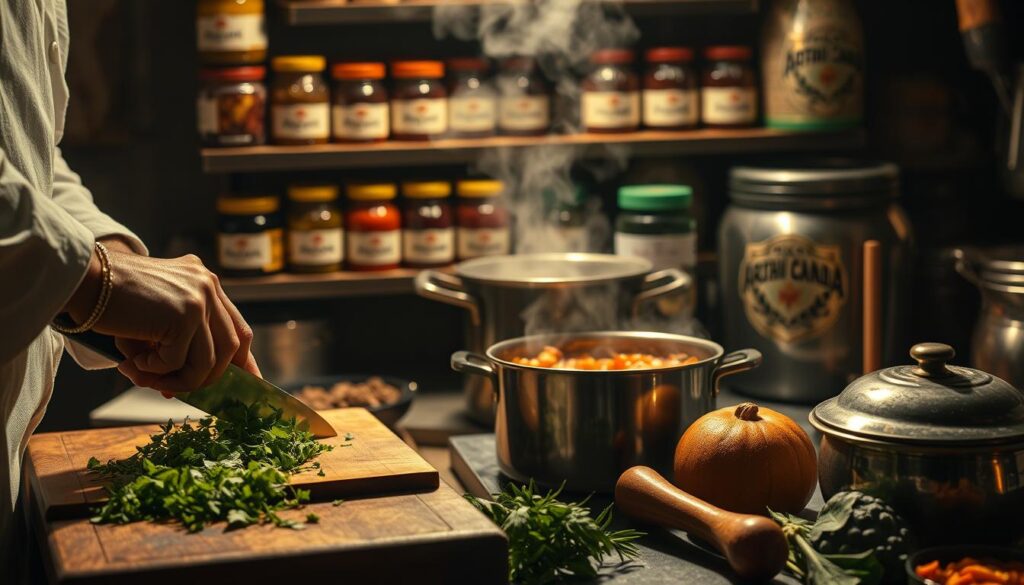
Canadian kitchens offer distinct advantages for this culinary exploration. Reliable appliances and consistent quality make the process smoother. You can explore more culinary traditions with confidence.
This approach isn’t about compromise. It’s about creative resourcefulness that respects timeless traditions while embracing local availability.
Exploring Traditional Arab Culinary Staples
At the heart of this vibrant cuisine are simple yet powerful ingredients that transform everyday meals. These foundational elements create dishes celebrated for their depth and comfort.
The Role of Signature Spices and Herbs
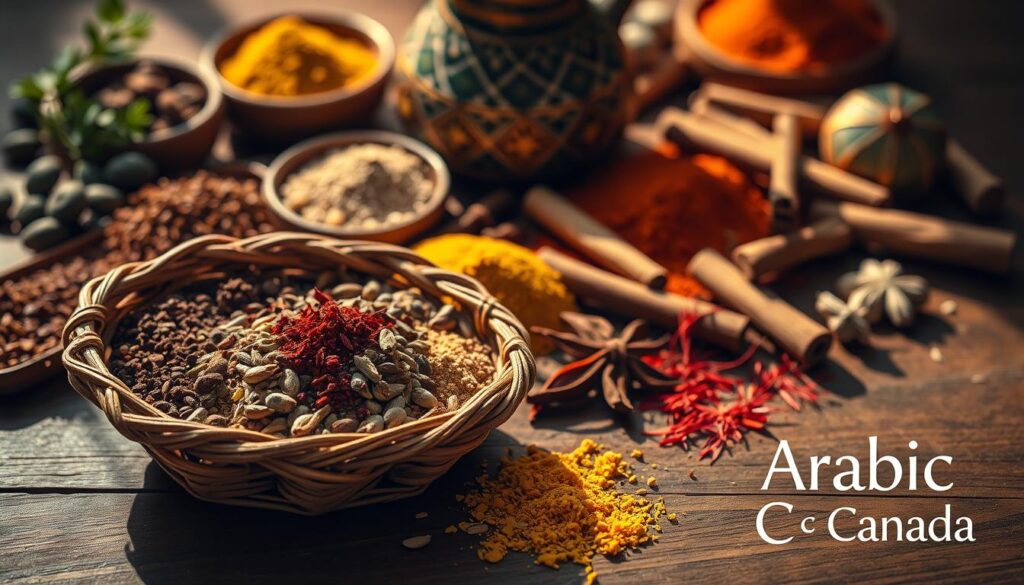
Warm spices like cumin, cinnamon, and turmeric build complex flavor layers. They add warmth to both savory dishes and sweet preparations.
Fresh herbs such as parsley and mint serve as integral components, not just garnishes. They provide brightness that balances richer flavors in every dish.
Reimagining Dishes Like Mujaddara and Lentil Soup
Mujaddara showcases the brilliance of simple ingredients. This hearty lentil staple combines rice or bulgur with caramelized onions for incredible depth.
Lentil soup demonstrates how basic components create nourishing food. Loaded with vegetables and bright spices, it’s ready in under 30 minutes. Top with crispy pita and fresh parsley for a complete meal.
These traditional dishes prove that great recipe success comes from understanding core elements. Their simplicity makes them perfect for any kitchen.
Ingredient Substitutions: Canadian Alternatives for Arab Classics
Many cooks believe they need exotic ingredients, but I’ve found that common pantry staples often work beautifully. The key lies in selecting quality products and understanding their roles.
Utilizing Local Products like Olive Oil, Rice, and Lemon Juice
High-quality olive oil serves as the foundation for countless middle eastern preparations. Local options often match traditional quality when chosen carefully.
Various rice types available here adapt well to traditional dishes. Cooking time adjustments ensure perfect texture every time.
Fresh lemon juice provides essential brightness. The lemon acidity balances flavors in soups, salads, and grain dishes.
Smart Swaps for Traditional Ingredients
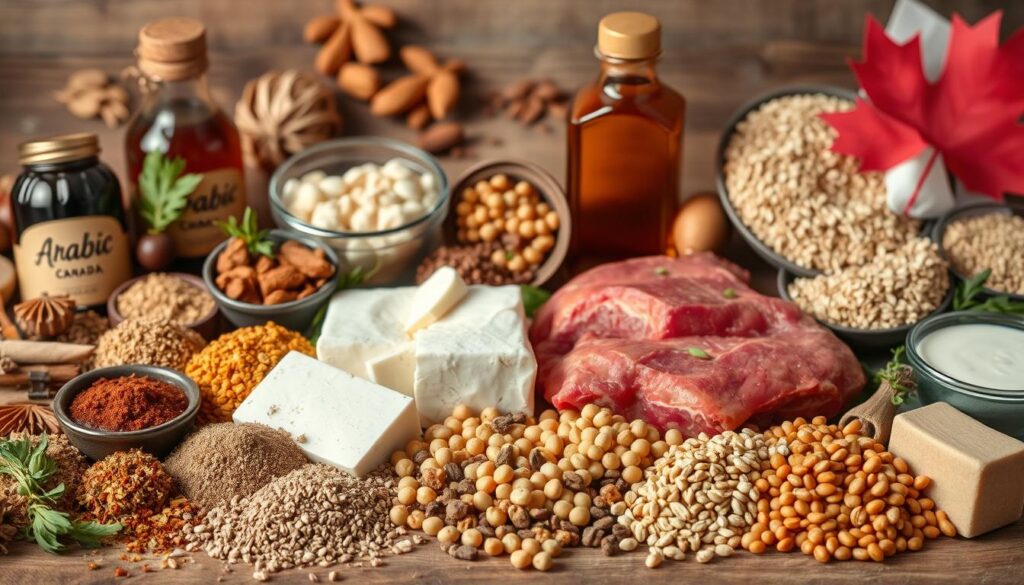
For sumac, combine lemon zest with salt. This creates similar tanginess in salads and marinades.
Specialty bulgur can be replaced with cracked wheat or quinoa. These alternatives maintain similar texture and cooking behavior.
Even pita bread has flexible alternatives. Homemade flatbreads or naan work well when traditional options are unavailable.
Understanding each ingredient’s purpose allows for creative substitutions. This skill develops over time as you explore both traditional and adapted versions.
A Closer Look at Middle Eastern Spices and Ingredients
The true magic of Middle Eastern cooking often lies in its distinctive spice cabinet, where each component tells a story of flavor and tradition. Mastering these elements is the key to unlocking authentic tastes in your own kitchen.
Selecting Sumac, Mastic, Mahlab, and Zaatar with Confidence
Let’s start with sumac. This deep red powder comes from ground berries. It adds a sour, lemony taste to salads and chicken.
Mastic is a unique resin. It looks like small golden crystals. This spice is essential for authentic ice cream and baked goods.
Then there’s mahlab, made from cherry seeds. Its flavor is a blend of bitter almond and cherry. It beautifully enhances pastries.
Zaatar is a versatile term. It can mean the oregano herb or a popular spice mix. The blend includes sesame seeds, sumac, and salt.
| Spice | Key Flavor Profile | Primary Uses |
|---|---|---|
| Sumac | Sour, Lemony, Fruity | Salads, Dressings, Garnish |
| Mastic | Pine-like, Unique Resin | Desserts, Cheese, Baked Goods |
| Mahlab | Bitter Almond, Cherry | Pastries, Sweet Breads |
| Zaatar Mix | Herbaceous, Tangy, Nutty | Flatbreads, Meat Rubs, Dips |
Tips on Buying Authentic Spices in Canada
Finding quality spices is easier than you think. Seek out specialty markets with high product turnover. Vibrant color and a strong aroma are signs of freshness.
For the best flavor, buy whole spices like cardamom pods. Grind them at home as needed. This simple step makes a significant difference in your dishes.
Store your spices in a cool, dark place. Proper storage keeps them potent for months. Investing in quality versions pays off across countless meals.
Adapting Traditional Cooking Techniques for Modern Canadian Kitchens
Weeknight cooking demands efficiency, but traditional Middle Eastern flavors need not be sacrificed to the clock. I have developed a system that honors these culinary traditions while fitting seamlessly into a busy schedule. The key is intelligent preparation.
Meal Prep Strategies for Busy Weeknights
I make large batches of staples like hummus on weekends. This creamy chickpea dip, enriched with olive oil, stays fresh for days. Having it ready transforms a quick meal.
Another time-saver is prepping dry spice mixes. For dishes like pakoras, I mix chickpea flour and spices in advance. When needed, I just add water and sliced potatoes for a fast, delicious dish.
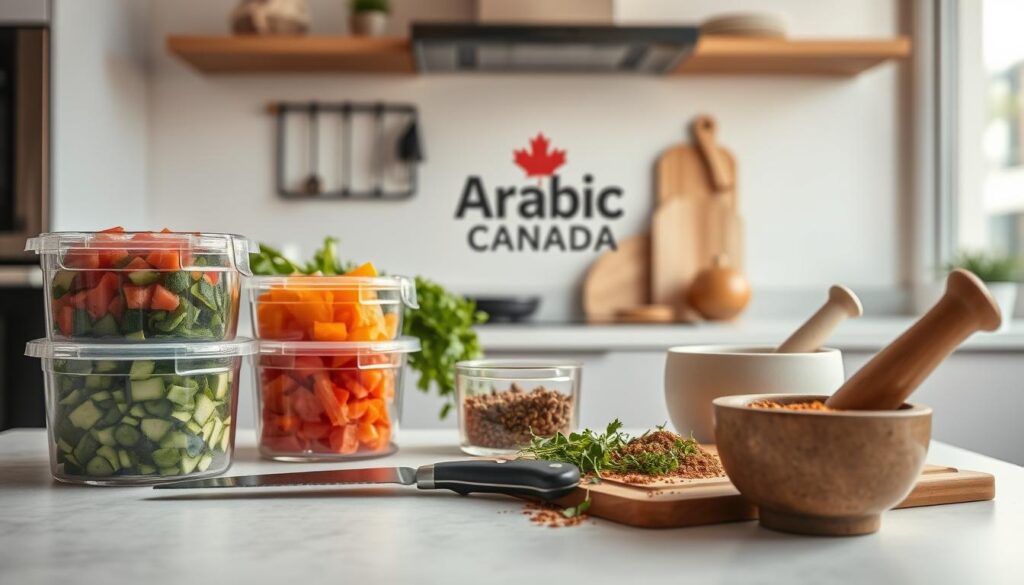
I also batch-cook foundational elements. Simmering a large pot of lentil soup or roasting lamb for the week provides versatile bases. These dishes often taste better as flavors meld over time.
Balancing Bold Flavors with Contemporary Cooking Tips
Modern appliances are great allies. A food processor creates silky hummus in minutes. A pressure cooker drastically reduces cooking time for tough meats like beef.
I balance rich flavors with fresh, bright sides. A salad with tomatoes, parsley, and a squeeze of lemon juice cuts through the richness of a spiced chicken dish. This approach keeps meals feeling light and contemporary.
Working smarter, not harder, allows you to enjoy the full depth of this cuisine any night of the week.
Conclusion
Every kitchen tells a story, and these adaptations bring centuries of Middle Eastern culinary wisdom to modern homes. This collection represents more than just dishes—it’s a bridge connecting rich traditions with contemporary cooking.
Success lies in understanding essential techniques rather than compromising authenticity. The time invested in mastering these methods pays dividends through nourishing food that can be prepared in minutes.
Approach this cuisine with curiosity and flexibility. Whether preparing a quick side dish or an elaborate spread, these adaptations offer something for every occasion.
I hope this guide inspires confidence to explore beyond the familiar. Each preparation participates in a living tradition that now finds welcoming homes across the country.