

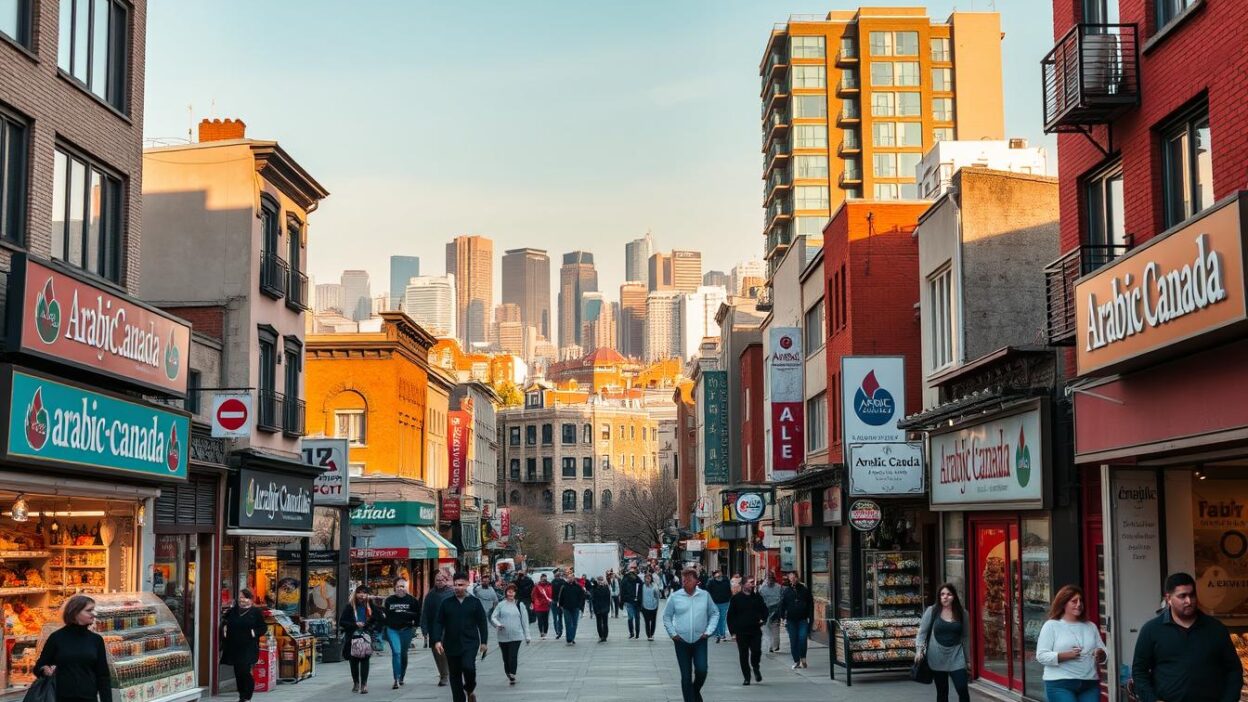
Did you know that over the past two decades, the number of residents with roots in the Middle East and North Africa has more than doubled in this Canadian metropolis? This remarkable growth has created a vibrant tapestry of cultural life, making it a premier destination for many.
I welcome you to this comprehensive guide exploring the vibrant life this group has fostered over decades. Families from diverse backgrounds have established thriving neighborhoods that balance cultural heritage with Canadian integration.
This resource hub will guide you through the best areas where this population thrives. We will examine factors like proximity to essential services, schools, and cultural centers that make daily life comfortable and connected.
My goal is to help you understand not just housing costs, but the complete picture of what makes each area suitable for those seeking to build their life here. I’ve researched the latest market trends and local developments to ensure you have current, actionable information.
Key Takeaways
- Discover neighborhoods that offer strong cultural infrastructure and support systems.
- Gain insights into 2025 home prices across different areas to fit various budgets.
- Learn about the importance of proximity to specific amenities for daily living.
- Understand how established networks and events contribute to quality of life.
- Get actionable information to make an informed decision about where to settle.
Overview of Montreal Neighborhoods for Arab Families
Over time, specific areas in Montreal have become preferred residential choices for those seeking both cultural familiarity and urban convenience. I’ve identified key districts where families have established strong roots and support systems.

Neighborhood Profiles and Community Vibes
Districts like Saint-Laurent and Côte-des-Neiges offer distinct atmospheres that cater to family life. You’ll find bustling commercial streets with familiar signage alongside quiet residential blocks perfect for children.
These areas reflect decades of settlement with established social networks. Religious institutions and cultural organizations help newcomers integrate while maintaining heritage. The community atmosphere feels both welcoming and familiar.
Family-Friendly Amenities and Local Services
Essential services significantly enhance daily life for families. Proximity to specialized schools, halal markets, and Middle Eastern grocers makes routine errands convenient.
Healthcare facilities with multilingual staff and recreational centers offering programs for young people contribute to neighborhood appeal. Community centers host cultural events throughout the year, creating vibrant social life.
This infrastructure supports both practical needs and cultural connections. Families can thrive in environments that understand their specific requirements, as seen in areas like Little Maghreb and beyond.
Home Prices by Area and Affordability Considerations
The 2025 real estate landscape presents unique opportunities for those seeking neighborhoods that balance affordability with cultural amenities. I’ve analyzed current market data to provide clear insights for informed decision-making.
Market Trends and Data for 2025
Current pricing patterns show varied affordability across different districts. Areas with established cultural infrastructure often maintain stable values despite market fluctuations.
Recent data indicates moderate growth in residential properties. This trend benefits both new buyers and long-term investors seeking sustainable returns.

Factors Influencing Value and Investment
Property values respond to several key considerations. Proximity to essential services significantly impacts residential appeal and long-term investment potential.
Quality schools and cultural centers enhance daily life for any household. These amenities contribute to neighborhood stability and property value retention.
Transportation access and commercial development also shape market dynamics. Areas with balanced growth offer the best prospects for family security and financial growth.
Arab community Montreal: Local Resources, Programs, and Cultural Events
A rich ecosystem of cultural and educational institutions actively supports the growth and well-being of residents. These organizations provide essential support for families at every stage of life.

Educational and Religious Centers Supporting Growth
Institutions like Al-Madinah Arabic School offer vital language instruction for children and youth. This helps maintain important cultural connections.
Religious centers form a backbone of support. The Muslim Community of Quebec (MCQ), established over four decades ago, provides extensive services. They are currently expanding their facilities to serve more people.
Community Programs, Support Services, and Events
Programs cater to all ages. Al-Madinah Center’s summer camp provides a safe, engaging environment for young participants.
Their Seniors Program, funded by a federal initiative, sees over 25 individuals gather weekly. This demonstrates support across generations.
Organizations also provide crucial aid, such as food security and emergency relief. The Muslim Council of Montreal (MCM) coordinates a network of over 40 institutions.
Local Initiatives and Collaborative Projects
Strong relationships with government officials help secure resources for major projects. This advocacy ensures family needs are met.
Student associations at local universities offer program activities and support services. This helps young adults navigate higher education.
You can learn more about our mission to connect people with these vital services.
| Organization | Primary Focus | Example Program/Service |
|---|---|---|
| Al-Madinah Center | Education & Culture | Arabic School, Summer Camp |
| Muslim Community of Quebec (MCQ) | Religious & Community Support | Facility Expansion, Disaster Relief |
| Muslim Council of Montreal (MCM) | Advocacy & Coordination | Network of 40+ Institutions |
| University Student Associations | Student Support | Events and Peer Support |
Conclusion
Choosing a home is about more than just square footage; it’s about finding a place where your family can truly belong. I have provided a detailed overview to help you navigate this important decision.
My goal was to equip you with actionable information that looks at the complete picture. This includes housing costs, schools, and the local support network.
I encourage you to explore the specific organizations mentioned. These resources form a vital foundation for a smooth transition and enriched daily life.
Whether you are new to the city or considering a move within it, I hope this guide brings clarity. Your personal connection to a neighborhood is the final, essential step in making a fulfilling choice.


