


Did you know that over 40% of Canadians feel completely overwhelmed by the choice between owning a residence and leasing one? This financial crossroads is more complex than ever in the current year.
I recently faced this exact dilemma. Property values and interest rates are shifting rapidly. The leasing market is also experiencing significant changes. These factors impact both immediate costs and future wealth.
Emotions and old advice are not enough for such a critical life choice. I knew I needed a data-driven approach. Using a modern analytical tool was essential for clarity.
This article will guide you through the 2025 landscape. We will explore market conditions, compare true costs, and assess financial risks. My goal is to provide a clear framework for your own evaluation.
While finances are crucial, I understand this choice involves personal lifestyle and career goals. A tool provides numbers, but your unique situation completes the picture.
Key Takeaways
- The decision between leasing and owning a residence is increasingly complex in today’s market.
- Data-driven analysis is crucial for making a sound financial choice.
- Current economic factors like interest rates greatly impact long-term affordability.
- Personal circumstances and lifestyle goals are vital components of the final decision.
- This guide provides a practical framework to evaluate your individual situation.
Understanding the Rent vs Buy Debate in Canada
Navigating the Canadian real estate landscape requires a clear grasp of both immediate market conditions and long-term financial trajectories. This choice is deeply personal, but its financial outcome is heavily influenced by external economic forces.
I found that the duration you plan to stay in one place is perhaps the most critical variable. This time horizon directly affects how costs are spread out.
Market Conditions and Trends in 2025
Current property prices across major cities tell a story of regional variation. Some markets show steady growth, while others experience more volatility.
Economic indicators suggest these trends will continue. A rapidly appreciating housing market can make ownership more attractive over the years.
In contrast, a flat or declining market may favor the flexibility of leasing. Your location dramatically shifts the calculation.

Comparing Long-Term Benefits and Risks
Over many years, owning a home offers distinct advantages. The potential for home value appreciation, typically 3-5% annually, builds wealth.
You also build equity with each mortgage payment. This creates stability against rising leasing costs.
However, significant risks exist. Property value can depreciate. Interest rate hikes can increase monthly payments.
Transaction costs for purchasing and selling—around 5% of the property’s price—are a major factor. A short stay makes these costs very impactful.
| Factor | Ownership Consideration | Leasing Consideration |
|---|---|---|
| Financial Build-Up | Equity accumulation and potential appreciation | No equity build-up, but capital remains liquid |
| Cost Stability | Fixed mortgage payment (with variable interest risk) | Subject to annual price increases |
| Upfront & Transaction Costs | High initial and closing costs (approx. 5%) | Typically lower initial moving costs |
| Flexibility | Less flexibility due to selling process | High flexibility for relocation |
Understanding these dynamics is essential. The right path depends on your personal timeline and local market expectations.
How I Evaluated My Options
Before making any major housing decision, I knew I needed to thoroughly assess my financial readiness. This personal evaluation became the cornerstone of my approach.
Personal Financial Considerations
I started with an honest look at my savings and income stability. The available money for a down payment was my first checkpoint.
Monthly mortgage costs had to fit comfortably within my budget. I also considered whether tying up capital in a home would limit other investment opportunities.
Understanding risk tolerance was crucial. Homeownership represents a concentrated investment in one asset. Leasing preserves flexibility for diversified investments.
My life stage played a significant role. Different people face unique decision parameters based on their circumstances.
| Consideration | Homeownership Impact | Leasing Impact |
|---|---|---|
| Capital Allocation | Significant money tied in property | Capital remains liquid for other uses |
| Monthly Costs | Mortgage payments plus maintenance | Fixed monthly payment amount |
| Long-term Investment | Potential property value growth | No equity accumulation |
| Flexibility | Lower mobility due to selling process | Easy relocation options |
The best financial decision is one that aligns with both your current reality and future aspirations.
Insights from My Experience in the Canadian Market
Researching mortgage rates from various lenders provided crucial data. Understanding insurance requirements for smaller down payments was essential.
I separated emotional factors from financial analysis. While owning a home carries personal meaning, the decision had to make economic sense.
My evaluation looked beyond immediate costs. I projected how mortgage payments and opportunity costs would evolve over time.
This process taught me that the right choice varies by individual. Even with similar financial profiles, life goals and risk tolerance create different outcomes.
Exploring the Rent vs Buy Calculator Canada
I discovered that sophisticated analytical instruments provide unprecedented clarity when weighing residential options. These tools transform complex financial comparisons into accessible data visualizations.
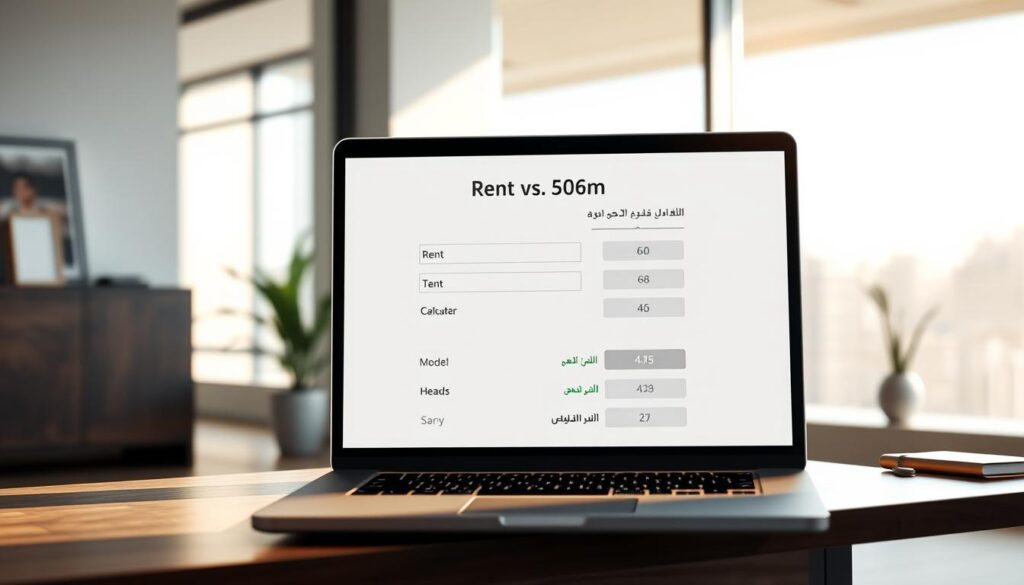
How the Calculator Works
This comparison tool analyzes both immediate and long-term expenses across different timeframes. It processes local market data including property taxes, insurance premiums, and maintenance fees.
The instrument requires key inputs like purchase price, down payment amount, and mortgage interest rates. It incorporates Canadian regulations for minimum down payments based on property value brackets.
Key Features and Benefits of the Tool
One standout feature is the breakeven analysis, showing when ownership becomes more cost-effective than leasing. This personalized timeframe varies significantly by location and individual circumstances.
The platform generates multi-year projections comparing total costs for each option. This data-driven approach eliminates guesswork and provides concrete financial insights tailored to specific markets.
Comparing Upfront Costs and Monthly Expenses
The initial financial commitment required for housing creates the first major divergence between these two paths. Understanding these differences helps clarify which option aligns with your current financial situation.

Rental Upfront Costs and Flexibility
Leasing arrangements typically demand minimal initial money. You’ll usually provide a security deposit plus first and last months’ payment. This creates low barrier to entry.
The flexibility advantage is significant. When your lease term ends, relocation involves minimal costs. This makes leasing ideal for career mobility or uncertain life plans.
Home Purchase Down Payments and Ongoing Payments
Purchasing property requires substantial upfront investment. For a $600,000 home, a 10% down payment equals $60,000. Closing costs add approximately $9,000 more.
Total initial costs reach $69,000—a significant financial hurdle. Monthly mortgage payments are generally higher than comparable rental rates. Homeowners also face variable expenses like maintenance and repairs.
| Expense Category | Leasing Option | Ownership Option |
|---|---|---|
| Initial Costs | Security deposit + 2 months’ payment | Down payment + closing fees (~5% of price) |
| Monthly Payment Structure | Fixed rental rate + some utilities | Mortgage + taxes + insurance + maintenance |
| Financial Flexibility | High mobility with minimal exit costs | Capital tied up; 5% selling costs if relocating |
| Long-term Financial Impact | No equity accumulation | Potential property value growth and equity |
This cost analysis reveals that leasing preserves financial liquidity. Ownership requires greater initial investment but offers potential long-term wealth building.
Assessing Interest Rates, Home Equity, and Financial Risk
Building home equity through mortgage payments represents one of the most significant wealth-building mechanisms available to most individuals. This process involves complex financial dynamics that require careful evaluation.
Mortgage Interest and Equity Building
Mortgage interest rates fundamentally shape the total cost of ownership. Even a 1% difference in your mortgage rate can translate to tens of thousands in additional interest over a 25-year term.
Each payment builds equity by reducing your principal balance. Early payments are interest-heavy, while later payments accelerate equity growth. This creates a forced savings mechanism that typically appreciates over time.
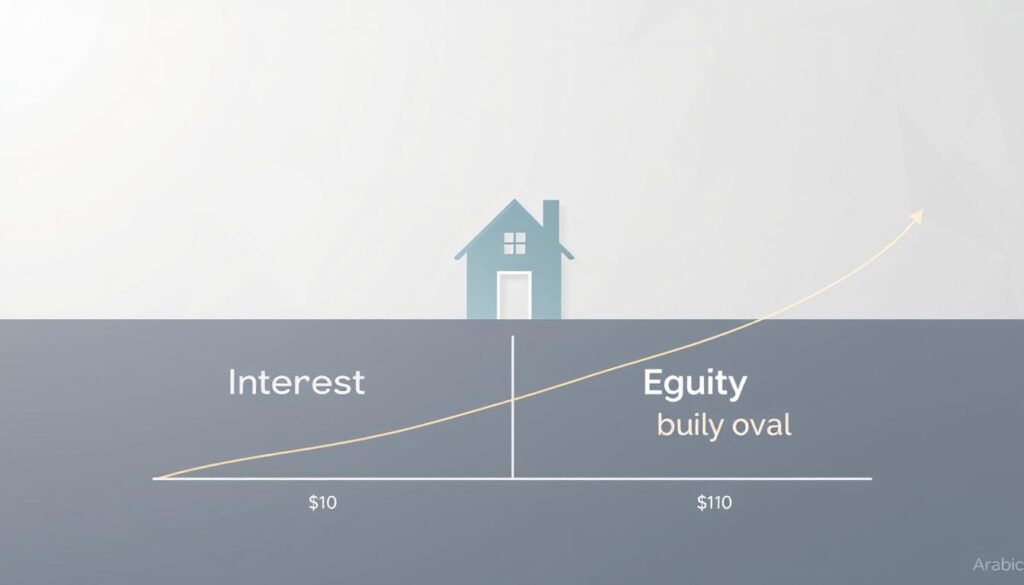
Evaluating Financial Risk in Homeownership
Homeownership carries significant financial exposure. Interest rate fluctuations at renewal can dramatically increase monthly payments. Property value depreciation can also create negative equity situations.
Using a comprehensive analysis tool helps quantify these risks. It compares the leveraged investment risk of ownership against more predictable leasing arrangements.
| Risk Factor | Homeownership Impact | Leasing Impact |
|---|---|---|
| Interest Rate Exposure | High risk at mortgage renewal | No direct exposure |
| Property Value Risk | Potential depreciation loss | No property value risk |
| Capital Liquidity | Funds tied in single asset | Capital remains available |
| Flexibility Cost | High transaction costs to move | Minimal relocation expenses |
The equity-building advantage must be weighed against these substantial risks. Your personal risk tolerance and financial goals should guide this critical decision.
Evaluating Property Taxes, Maintenance, and Repair Costs
Many prospective homeowners underestimate the ongoing financial obligations that extend far beyond their monthly mortgage payment. These additional expenses can significantly impact your overall housing budget and long-term financial planning.
Property tax represents a substantial annual levy that homeowners must budget for. These municipal charges typically range from 1% to 3% of your home’s assessed value. The exact amount varies significantly by location.
Property Tax Implications and Home Insurance
Homeowners face recurring costs that leasing arrangements typically avoid. Beyond the mortgage, you’ll encounter property tax, insurance premiums, and maintenance expenses. For a typical house, these additional costs can reach approximately $7,000 annually.
Maintenance responsibilities represent another significant consideration. As a homeowner, you bear full responsibility for all upkeep. This includes routine tasks like lawn care and major systems like roof replacement.
Deferred maintenance often leads to expensive repairs down the road. Ignoring minor issues can compound into major problems costing thousands to address.
| Expense Category | Homeowner Responsibility | Renter Responsibility |
|---|---|---|
| Property Tax | Full annual payment | None |
| Insurance | Comprehensive coverage required | Tenant insurance only |
| Major Repairs | Homeowner bears full cost | Landlord responsible |
| Routine Maintenance | Homeowner handles all tasks | Minor items under $50 |
These costs associated with homeownership can add 30-50% to your monthly housing expenses beyond the mortgage payment. Proper budgeting for these obligations is essential for sustainable homeownership.
Real World Comparisons and Case Study Insights
Real-life scenarios provide the missing link between housing theory and personal financial reality. I tested the analytical tool using current market data from the Greater Toronto Area.

Sample Scenarios Using the Analytical Tool
Consider a $600,000 house purchase with 10% down. The monthly mortgage payment would be $3,157 at 5% interest. Comparable leasing costs approximately $2,500 monthly.
Upfront ownership expenses total $69,000 including the down payment and closing fees. Annual recurring costs reach about $45,000 when including property taxes and maintenance.
Break-Even Analysis Over Different Time Frames
The analysis reveals a critical turning point around year three. Ownership becomes financially advantageous if you stay beyond this period.
At the five-year mark, the numbers show clear patterns. Total costs for purchasing amount to $78,757 compared to $94,614 for leasing. This represents a $15,857 advantage for ownership.
Several factors influence this breakeven point:
- Higher mortgage rates extend the required ownership period
- Property appreciation accelerates financial benefits
- Maintenance costs impact overall affordability
- Local market conditions create regional variations
This scenario demonstrates why your planned stay duration matters most. The substantial transaction costs of purchasing require several years to overcome through equity building.
Conclusion
After careful analysis, I’ve concluded that no single formula dictates the right housing decision for everyone. My exploration shows that a property purchase often makes sense with a four-year-plus timeline, but this varies greatly by local market conditions.
Renting offers crucial flexibility and lower risk, ideal for transitional life stages. In contrast, owning a home builds equity and stability but demands significant upfront investment. Understanding your rights as a tenant and the obligations of a landlord under provincial acts is also vital.
First-time buyers should explore government incentives like land transfer tax rebates. Use an analytical tool as a starting point, but also weigh your personal goals against the shifting Canadian property landscape.
The final choice is deeply personal, blending financial readiness with your vision for the future.