


Did you know that the national average price for a property has reached over $676,000? This figure highlights the immense financial commitment involved in purchasing a place to live. For many individuals and families, it represents one of the most significant decisions they will ever make.
I often guide people through the fundamental choice between a brand-new build and a previously owned dwelling. This comparison is crucial in today’s diverse real estate landscape. Your final selection will impact your lifestyle, finances, and long-term satisfaction.
This guide will provide a clear analysis to help you understand the key differences. We will explore cost considerations, including how your purchase fits into the broader cost of living in Canada. We will also cover advantages, potential drawbacks, and practical factors like location and customization.
There is no single right answer. The best option depends entirely on your personal circumstances, priorities, and what you value most. My goal is to equip you with the knowledge to make a confident, informed choice that aligns with your goals.
Key Takeaways
- The choice between a newly built and an existing property is a major financial and lifestyle decision.
- Current market conditions, including average home prices, play a significant role in this choice.
- Key factors to weigh include upfront cost, potential for customization, and maintenance needs.
- Your personal priorities and long-term plans are the most important guides in this process.
- Understanding the pros and cons of each option is essential for making a smart investment.
- This guide will provide a detailed 2025 comparison of costs, benefits, and drawbacks.
Overview of New Construction vs Resale Homes Canada
The Canadian housing market presents buyers with two primary categories of residential properties to consider. Each offers distinct advantages and considerations that shape your purchasing experience.
Defining New Construction Homes
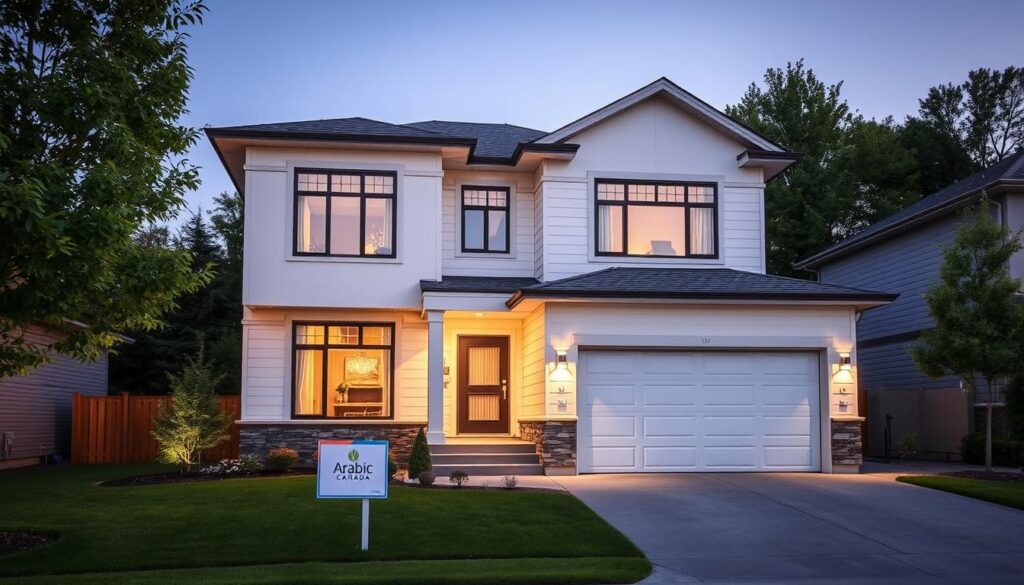
These dwellings represent properties built from the ground up with modern materials and techniques. They include single-family houses, townhouses, and condominiums that have never been occupied.
Everything from the foundation to the appliances is brand new. These builds often feature contemporary designs and open floor plans that reflect current lifestyle preferences.
Pre-construction options allow buyers to purchase off-plan before completion. This approach requires careful consideration, and I recommend reviewing resources like essential guidance for prospective buyers before committing.
Understanding Resale Home Characteristics
Previously owned properties come with established histories and unique character. They’ve been lived in by previous owners and often feature mature landscaping in developed neighborhoods.
These dwellings showcase architectural styles from various eras. They may include custom improvements made by past residents, adding distinctive charm.
“The history embedded in a resale property tells a story that new builds simply cannot replicate.”
| Feature | New Construction | Resale Home |
|---|---|---|
| Age | Brand new | Varies widely |
| Customization | High potential | Limited options |
| Neighborhood | Often developing | Typically established |
| Maintenance | Minimal initially | May require updates |
This fundamental distinction forms the basis for understanding the detailed comparisons that follow in subsequent sections of our analysis.
Cost Considerations and Financial Implications
Understanding the full financial picture requires looking beyond the sticker price. I guide buyers through both immediate expenses and long-term financial commitments.

Brand-new properties typically carry higher per-square-foot price tags. This reflects modern materials, current labor costs, and updated building standards.
Initial Purchase Price Comparisons
Previously owned dwellings generally offer lower square-foot costs. Their price is often negotiable, providing potential savings.
One significant expense unique to buying new is GST/HST. In Ontario, this adds 13% to the final sale price.
Additional Costs: Upgrades, GST/HST, and Renovations
Customization options can significantly increase your final budget. Premium finishes and layout changes add up quickly.
Older properties may need system updates soon after purchase. Plumbing, electrical, or roofing repairs represent hidden costs.
Closing expenses also differ between options. Builders may pass additional fees to buyers, while resale transactions offer more negotiation flexibility.
Evaluate total ownership cost rather than just purchase price. Consider both immediate expenses and future financial commitments for a complete picture.
Pros and Cons of New Construction Homes
Modern builds offer a unique set of benefits that distinguish them from older residential options. I guide buyers through both the appealing advantages and important considerations of choosing a property that has never been occupied.
Customization and Modern Features
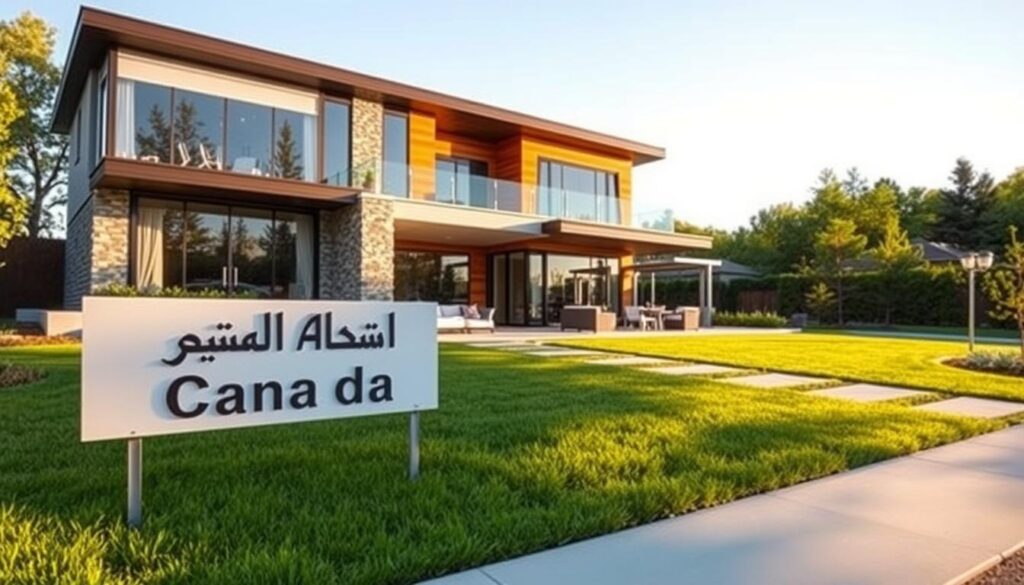
One significant advantage is the ability to personalize your living space. Buyers can select floor plans, finishes, and fixtures that match their personal style.
These properties typically include contemporary amenities like walk-in showers, heated floors, and smart home technology. Open-concept layouts with larger kitchens reflect current lifestyle preferences.
Energy Efficiency and Lower Maintenance
Modern construction incorporates advanced energy-efficient systems. Features like high-performance windows and modern insulation reduce utility costs.
Since everything is brand new, immediate maintenance needs are minimal. Builders often provide warranties covering systems and appliances for several years.
However, these advantages come with trade-offs. Properties often command premium prices and may be located in developing areas. Construction delays can extend waiting periods significantly.
Understanding these factors helps buyers make informed decisions within the broader housing market context.
Advantages and Challenges of Buying Resale Homes
Choosing a previously owned property introduces buyers to neighborhoods with established character and mature landscapes. These dwellings offer distinct benefits that appeal to specific buyer preferences.
I guide clients through both the appealing aspects and important considerations of this option. Understanding the complete picture helps determine if this path aligns with your goals.
Established Neighborhoods and Community
Previously occupied properties typically reside in well-developed areas. Mature trees, established local businesses, and strong community bonds create an immediate sense of belonging.
These neighborhoods often feature parks, schools, and amenities that have stood the test of time. The character of older homes reflects craftsmanship from different architectural eras.
Potential for Negotiation and Character Appeal
Buyers frequently find more flexibility in pricing discussions with motivated sellers. This contrasts with fixed pricing structures common in development projects.
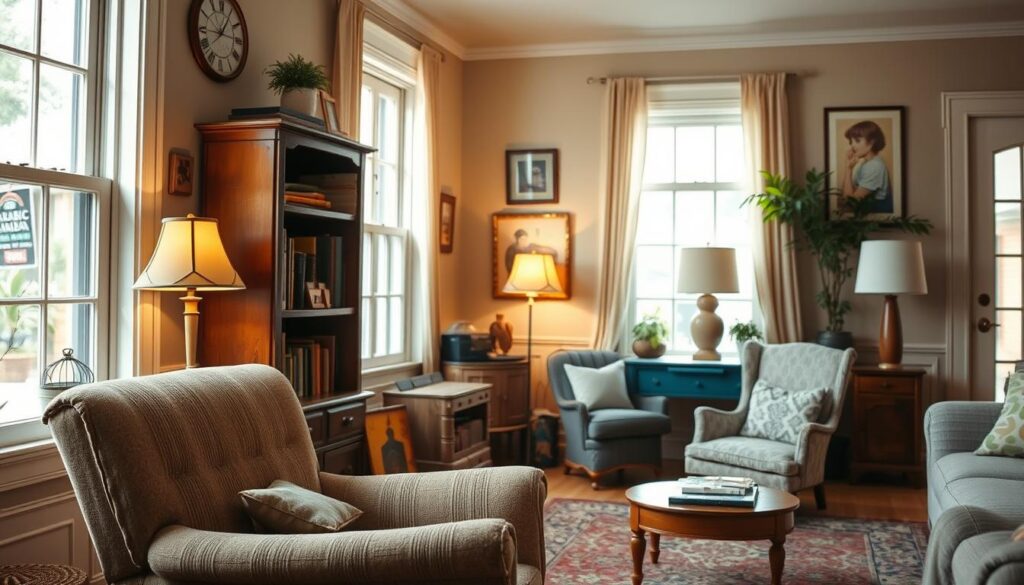
Many appreciate the unique personality that comes with properties having history. Original hardwood floors, custom millwork, and architectural details add charm that newer builds cannot replicate.
However, these advantages come with important considerations. Older systems may require updates, and layouts might need renovations for modern living. A detailed review of the pros and cons of new construction vs resale helps balance these factors.
This option suits buyers prioritizing location, immediate occupancy, and unique character over modern warranties and customization.
Market Trends and Location Insights in Canada
Current Canadian real estate dynamics reveal fascinating regional patterns that influence buyer decisions. I analyze these trends to help you understand how market conditions affect your property choice.

Calgary’s market exemplifies national shifts. In recent years, condos gained popularity over detached houses. This reflects changing preferences and affordability considerations among purchasers.
Current Real Estate Trends and Community Dynamics
Calgary’s Q4 2023 data shows a sales-to-new listings ratio of 80%. This indicates a strong seller’s market. Inventory stood at just 1.7 months of home sales.
Long-term price appreciation remains healthy. Properties have shown a 5% Cumulative Annual Growth Rate over 18 years. This demonstrates steady value growth potential.
The market maintains relative affordability compared to overheated regions. Benchmark prices rose 26% since January 2015. This suggests stability with limited downside risk.
Community development differs significantly between options. Previously owned properties typically reside in established neighborhoods. These areas feature mature infrastructure and amenities.
Modern builds often appear in developing communities. These locations may still be building essential services and connections. Your preference for immediate access versus future potential matters greatly.
| Location Factor | Established Neighborhoods | Developing Communities |
|---|---|---|
| Transit Access | Fully developed | Often limited initially |
| School Systems | Long-established | New or planned |
| Local Amenities | Mature businesses | Growing gradually |
| Community Character | Well-defined | Evolving over time |
Market conditions directly impact negotiation power. In seller’s markets, previously owned properties may offer less flexibility. New builds might provide more standardized pricing structures.
Understanding these trends helps you evaluate options in your specific region. Consider both current market dynamics and long-term community development patterns.
Comparing Key Aspects: New Construction vs Resale
When evaluating structural integrity and long-term value, the fundamental differences between modern builds and previously occupied properties become critically important. I help buyers understand how these factors impact both immediate living experience and future financial returns.

Structure, Design, and Build Quality
Contemporary properties are constructed using current materials and must adhere to updated building codes. This typically results in energy-efficient systems and modern layouts that suit today’s lifestyle preferences.
Older dwellings often showcase craftsmanship from different eras. While they may need updates to meet current standards, many feature durable materials that have proven their longevity over time.
Warranty protection differs significantly between these choices. New builds usually include comprehensive coverage for defects, while previously owned properties are typically sold as-is.
Long-Term Investment Potential
Established neighborhoods where older properties reside often have demonstrated appreciation patterns. These areas typically feature mature landscaping and developed community connections.
Modern developments in growing areas present both opportunity and uncertainty. While they may offer stronger profit margins as communities develop, their investment trajectory is less proven.
Your choice should align with your risk tolerance and timeframe. Each option presents distinct advantages for building equity over time.
Practical Considerations for Homebuyers in Canada
Practical timing and financial preparation are crucial factors that can significantly influence your property acquisition journey. I guide clients through these essential practical aspects to ensure a smooth purchasing process.
Timeline and Move-In Readiness
If you’re on a tight schedule, a previously occupied dwelling may suit your needs better. You can typically move in immediately after closing.
Building from the ground up requires patience. Weather delays, labor shortages, and supply chain issues can extend waiting periods significantly.
Interim housing costs like rent and storage add up during construction. These expenses impact your overall budget.
Financing, Pre-Approvals, and Mortgage Insights
Obtaining mortgage pre-approval is essential before property hunting. This establishes your budget and demonstrates seriousness to sellers.
Some buying new options allow staged payments during construction. Traditional financing applies to existing properties.

Minimum down payments start at 5% for properties under $500,000. Larger percentages are required for higher-priced dwellings.
Understanding debt service ratios and stress tests helps determine affordable purchase prices. This knowledge is vital in today’s estate environment.
| Practical Factor | New Construction | Resale Home |
|---|---|---|
| Move-In Timeline | Months to years | Immediate after closing |
| Payment Structure | Often staged | Traditional financing |
| Interim Costs | Rent + storage | Minimal additional |
| Uncertainty Level | Construction delays | Known condition |
Working with experienced real estate professionals provides invaluable guidance. They help navigate the complexities of each purchase type.
Conclusion
Ultimately, your property choice reflects a balance between immediate satisfaction and long-term financial wisdom. I guide clients to recognize that this decision depends entirely on personal preferences and financial circumstances.
Modern builds offer customization and energy-efficient features with minimal initial maintenance. Previously owned properties provide established community connections and unique character often at a lower purchase price.
Consider your total ownership cost beyond the initial budget. Each option presents trade-offs between upfront expenses and potential future investments. Thorough research and professional guidance are essential when buying new or considering existing properties.
Both paths can lead to successful homeownership when aligned with your specific needs. Take time to explore what truly serves your family’s goals in today’s diverse real estate landscape.