

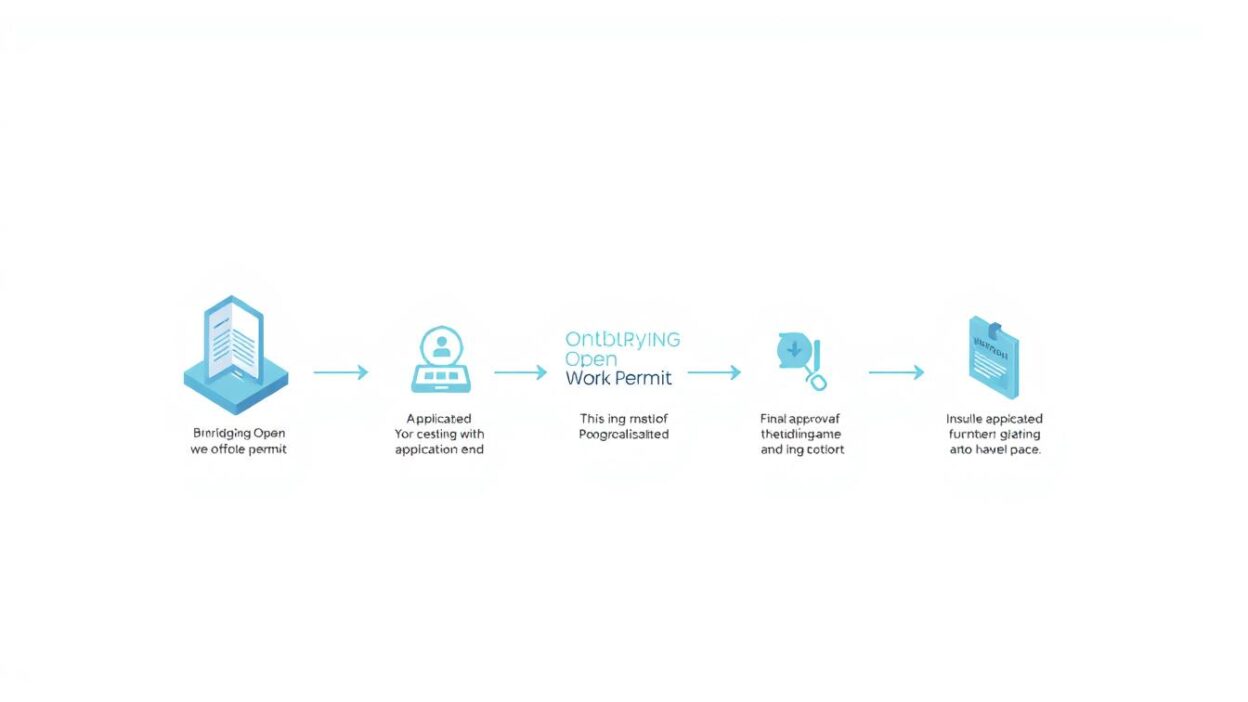
Imagine being forced to stop your job and life in Canada simply because a government application is still processing. This was a reality for thousands before a crucial solution emerged.
This guide details that solution. It allows foreign nationals to maintain their employment and residence seamlessly while awaiting a decision on their permanent residence application. It acts as a vital bridge, preventing any gaps in legal status.
The authorization is an open type. This provides significant flexibility, as holders are not tied to a single employer. There is no need for a Labour Market Impact Assessment (LMIA), which streamlines the process considerably.
I will walk you through the entire process for 2025. We will cover eligibility criteria, the application steps, required documents, and fees. This comprehensive resource is designed to give you clear, actionable information.
Key Takeaways
- This permit prevents work authorization gaps during permanent residence processing.
- It offers the freedom to work for any employer across the country.
- An LMIA is not required, making the process more efficient.
- Eligibility is tied to applying under specific economic immigration programs.
- The guide provides current 2025 information on application procedures.
- Maintaining continuous legal status is the primary benefit.
Overview of the Bridging Open Work Permit
As my current authorization approached its end date, I found a vital program designed to bridge the gap during permanent residence processing. This solution prevents employment interruptions for foreign nationals awaiting decisions from Immigration, Refugees and Citizenship Canada.
What a BOWP is and why it matters
The bridging open work permit allows individuals to maintain employment while their applications are being reviewed. Unlike restricted authorizations, this provides flexibility to work for any employer nationwide.
This type of authorization eliminates the need for a labour market impact assessment. Employers can retain skilled workers without additional government processing delays.
My introduction to the bridging open work permit concept
I first learned about this option while researching how to maintain my legal status. The discovery brought immediate relief, knowing I could continue contributing to the economy.
The program serves as a crucial connection between temporary and permanent status. For detailed guidance on the bridging open work permit process, comprehensive resources are available.
This authorization benefits both applicants and Canadian businesses seeking stability. It represents an efficient approach to immigration continuity.
Understanding BOWP Basics and Its Importance
The concept of seamless transition between temporary and permanent status became clear to me during my research. This authorization serves as a critical safety net for applicants awaiting final decisions.
The role of the open work permit in maintaining status
Applicants can apply under three specific circumstances. Each scenario ensures continuous legal presence in the country.
The first scenario requires holding current employment authorization. The second involves having maintained status through timely renewal submissions. The third allows for restoration of temporary resident status with work rights.
| Application Scenario | Requirements | Key Benefit |
|---|---|---|
| Valid Authorization | Current work permit still active | Immediate eligibility |
| Maintained Status | Renewal application submitted before expiry | Continuous work rights during processing |
| Status Restoration | Eligible to restore temporary status | Second chance after status lapse |

Maintained status, often called implied status, allows continued employment under previous conditions. This prevents interruptions while renewal applications process.
Without this authorization, individuals face significant challenges. They might need to leave temporarily or find employers willing to undergo lengthy assessment processes.
The program benefits everyone involved. Applicants maintain income stability while employers retain skilled workers. The country continues benefiting from valuable labor contributions.
Who Qualifies for a Bridging Open Work Permit?
Determining your eligibility for this authorization requires understanding specific program requirements and personal circumstances. The criteria vary depending on which economic immigration pathway you’re pursuing.
Eligibility for Express Entry and other economic programs
To be eligible bowp under express entry programs, you must meet several conditions. These include the Federal Skilled Worker Program, Canadian Experience Class, and Federal Skilled Trades Program.
You need to physically reside in Canada when applying and intend to live outside Quebec. Your permanent residence application must have passed IRCC’s completeness check.
There are three acceptable status scenarios for your current work permit. You can hold valid authorization, have maintained status through timely renewal, or be eligible for status restoration.
Only principal applicants on the permanent residence application can apply. Simply being in the express entry pool doesn’t qualify you – you need an Invitation to Apply and submitted application.
Special considerations for various applicant types
Other economic programs like Provincial Nominee and caregiver streams have slightly different requirements. Some need approval in principle rather than just passing the completeness check.
Each program has specific nuances that affect your open work permit eligibility. Research your particular pathway thoroughly before applying.
The federal skilled worker program follows standard eligibility criteria. Always verify current requirements directly from official sources.
Eligibility Criteria and Document Checklist
The document preparation phase revealed how meticulous organization could make or break my application success. Having the correct paperwork ready before starting the online submission proved crucial for efficiency.
Essential supporting documents and completeness checks
My application required several key documents to demonstrate I was eligible bowp. The acknowledgement of receipt letter confirming my permanent residence application passed completeness check was most important.
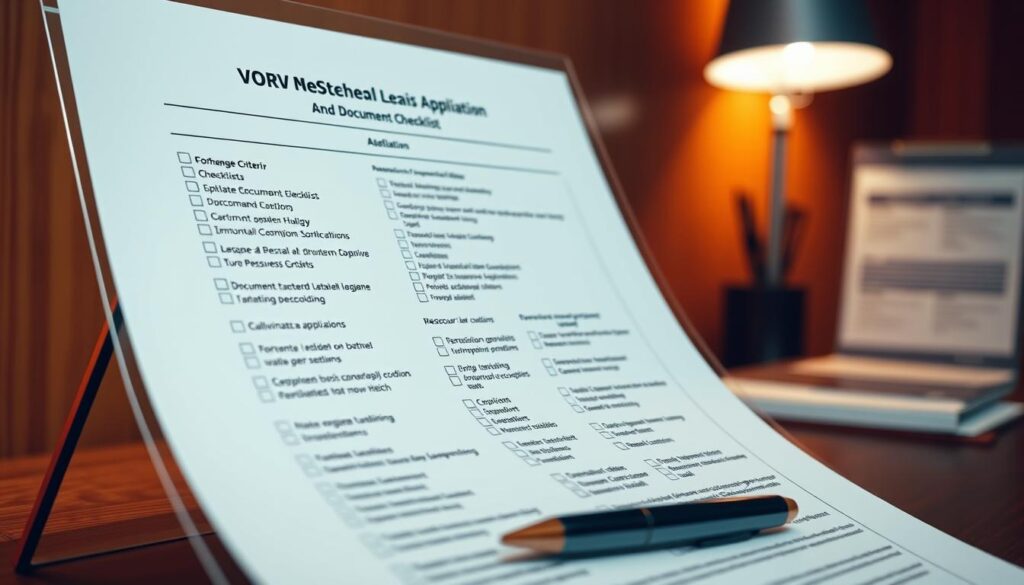
I needed to provide proof of my current valid work authorization status. This established my legal right to continue employment during the processing period.
The specific forms required careful completion. Selecting the correct authorization type ensured proper handling by immigration officials.
How I ensured my application met all requirements
I created a systematic approach to document organization. Each file received clear naming conventions for easy identification during upload.
Combining multiple documents into single PDF files streamlined the submission process. This prevented confusion and ensured all required materials were included.
Double-checking every component before final submission gave me confidence. Maintaining copies of all documents provided security throughout the waiting period.
How I Applied: Step-by-Step Process to Get a BOWP
Navigating the application system required a methodical approach from the very beginning. I focused on understanding each requirement before starting the actual submission.
Preparing and gathering your personal documents
I began by collecting all necessary paperwork systematically. My current work permit copy and permanent residence acknowledgment letter were essential.
Proof of my ongoing employment status helped demonstrate continuous eligibility. I organized everything digitally for easy access during the online process.
| Fee Type | Amount (CAD) | Purpose |
|---|---|---|
| Processing Fee | $155 | Standard application handling |
| Holder Fee | $100 | Open work permit authorization |
| Biometrics | $85 | Identity verification |
| Total Cost | $340 | Complete application package |
Submitting my application: fees, forms, and timelines
The online portal guided me through selecting the correct open work permit category. Choosing the right option prevented processing delays.
Payment confirmation linked automatically to my submission. I received biometric instructions within days of applying.
Current processing times averaged several weeks based on my experience. Online applications typically move faster than paper alternatives.
Navigating the Online Application Process
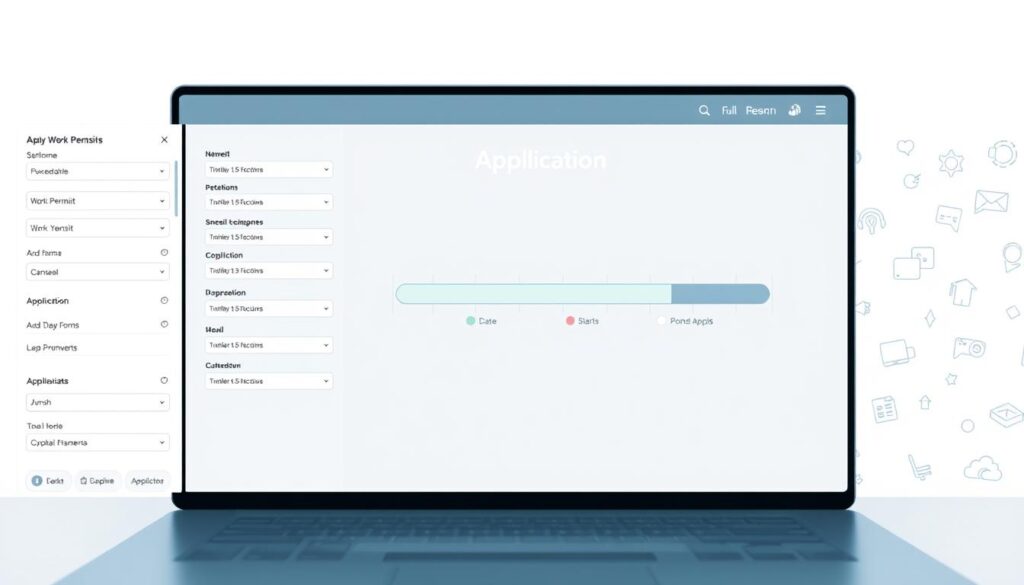
My digital submission experience revealed how proper form completion significantly impacts processing efficiency. The IRCC portal requires careful attention to detail at every step.
Tips for successfully completing the online form
I discovered the Client Information field serves as the crucial upload location for acknowledgment letters. This specific section accommodates supporting documents that demonstrate eligibility.
When multiple files need combining for a single upload field, PDF merging proved essential. I used free online tools to create organized, size-appropriate documents that met portal requirements.
The question regarding Quebec residency requires particular attention. Applicants outside Quebec should answer carefully to avoid unnecessary processing delays.
Portal tracking features provide real-time application status updates. This functionality allows prompt responses to any requests for additional information.
Browser compatibility and session timeouts presented minor technical challenges. Saving progress regularly prevented data loss during longer completion sessions.
Online submissions typically process faster than paper alternatives. Immediate receipt confirmation and digital communication create a smoother experience overall.
Labour Market Impact and PR Application Connection
The elimination of certain bureaucratic hurdles through this program represented a significant advantage I discovered. This connection between labour market requirements and immigration pathways proved crucial for maintaining employment continuity.
Understanding Labour Market Impact Assessments and restrictions
A labour market impact assessment serves as documentation employers must secure before hiring foreign nationals. This process demonstrates that no qualified Canadian citizens or permanent residents are available for the position.
Standard employer-specific authorizations require this approval, which involves substantial time and financial investment. The typical cost reaches approximately $1,000 for employers seeking to hire international talent.
The open work nature of this authorization completely bypasses the market impact assessment requirement. This represents significant savings and flexibility for both employees and employers alike.
How my permanent residence application influences my work permit
My permanent residence application progressing through the system created the eligibility pathway for this authorization. The status of this application directly determines available options for employment rights.
When applicants aren’t yet eligible, they should extend existing employer-specific authorizations. This may require employer cooperation and potentially a new impact assessment.
Strategic timing ensures continuous authorization while awaiting application submission and acknowledgement receipt. This program remains exclusively available to those with pending applications under specific economic streams.
bridging open work permit Canada for Economic Immigrants
Economic immigration pathways provide skilled professionals with opportunities to build futures in Canada. This authorization supports applicants across multiple programs during the transition period.
Benefits for Federal Skilled Worker, Canadian Experience Class, and More
The Federal Skilled Worker Program benefits significantly from this authorization. Overseas workers with job offers can maintain employment while awaiting decisions.

Canadian Experience Class applicants gain particular advantages from continuous authorization. They preserve established employer relationships and career momentum.
This stability helps skilled trades professionals address industry shortages. Their continued work supports essential sectors during processing periods.
Provincial Nominee Program participants maintain employment after receiving nominations. This ensures smooth transitions while federal reviews continue.
The economic benefits extend beyond individual applicants. Employers retain trained staff without recruitment interruptions.
Workers sustain income and tax contributions throughout the process. Communities benefit from continuous resident participation.
This approach supports Canada’s immigration objectives effectively. It facilitates seamless status transitions for economic contributors.
Families maintain stability during uncertain processing times. The authorization creates security for entire household units.
Special Cases: Provincial Nominee, Quebec, and Pilot Programs
Certain immigration programs operate under specific frameworks that require tailored application approaches. Each stream has unique eligibility criteria and documentation requirements.
I discovered that specialized categories demand careful attention to program-specific rules. The authorization process varies significantly across different immigration pathways.
Guidelines for Provincial Nominee Program (PNP) applicants
For provincial nominee program participants, additional conditions apply. The nomination letter must not include employment restrictions that would prevent authorization.
A critical geographic limitation exists for provincial nominee holders. They must work exclusively within the nominating province’s boundaries.
| Program Type | Key Requirement | Employment Restriction |
|---|---|---|
| Provincial Nominee | No employment restrictions in nomination | Must work in nominating province |
| Quebec Skilled Worker | Valid Certificat de sélection du Québec | Quebec employment only |
| Pilot Programs | Approved in principle for PR | Program-specific conditions |
Key differences for Quebec and pilot program applicants
Quebec skilled worker applicants follow a distinct pathway. They need a valid CSQ and must commit to living and working in Quebec.
Pilot programs require approved in principle status for permanent residence. This represents a more advanced processing stage than basic completeness checks.
The Home Child Care Provider Pilot demands proof of six months qualifying experience. Similar requirements apply to Home Support Worker participants.
Each immigration stream has documentation nuances that applicants must carefully follow.
Special categories like Caring for People with High Medical Needs have specific eligibility dates. Agri-Food Pilot workers need approval in principle for their applications.
Maintaining Your Work Permit Status While Awaiting PR
Planning for uninterrupted employment rights became my top priority as I navigated the delicate period between temporary and permanent status. I discovered that timing applications correctly was essential for continuous authorization.

Strategies for avoiding interruptions in employment
I learned about maintained status, which allows continued employment under previous conditions while awaiting a decision. This applies when you submit your application before your current authorization expires.
The critical timing consideration ensures no gap in work authorization. Applying well in advance of expiration dates provides security against processing delays.
For those who missed the deadline, a 90-day restoration period exists. Applicants eligible restore their status can apply during this window. This offers a second chance after authorization lapses.
Travel considerations require careful planning. You can leave canada during processing, but re-entry isn’t guaranteed. Border officers may request proof of your permanent residence application and current status.
If your authorization expires after departure, work rights cease until approval. This creates potential employment interruptions. Maintaining all documentation when traveling is essential.
I applied conservative planning strategies, submitting applications early and maintaining employer communication. For detailed guidance on extending your authorization, consult professional resources. Those considering alternative pathways might explore the Atlantic Immigration Program for additional options.
Common Pitfalls and My Lessons Learned
Many applicants encounter preventable setbacks when pursuing this authorization due to timing misunderstandings. I discovered several critical errors that could have jeopardized my own application success.
Frequent mistakes in the application process
The most common error involves confusing Express Entry profile submission with actual permanent residence application submission. Applicants must receive an Invitation to Apply and submit a complete application that passes the completeness check.
Timing represents another significant pitfall. Waiting too long to apply can result in authorization expiration before approval. This creates dangerous gaps in employment rights.
| Common Error | Consequence | Prevention Strategy |
|---|---|---|
| Incomplete documentation | Application rejection | Use official checklist |
| Incorrect fee payment | Processing delays | Verify current fee amounts |
| Misunderstanding eligibility | Automatic refusal | Review program specifics |
Provincial Nominee Program applicants often overlook employment restrictions in their nominations. These limitations can disqualify them from certain authorizations.
How I overcame obstacles during my application journey
I nearly submitted my application without the required acknowledgement letter. A final review caught this critical omission before submission.
Technical difficulties with the online portal created anxiety about timing. I maintained meticulous records and sought clarification when uncertain.
Starting early proved essential for managing processing uncertainties. Most rejections are preventable through careful attention to official instructions.
Conclusion
Reflecting on my journey through the immigration process, I recognize how essential proper planning was for maintaining continuous employment rights. This authorization serves as a vital bridge, allowing applicants to continue building their lives while awaiting final decisions.
The key to success lies in understanding eligibility requirements and timing your application correctly. You must have a submitted permanent residence application that has passed completeness checks. Applying before your current authorization expires ensures uninterrupted work status.
Careful document preparation and online submission streamline the process significantly. Each program category has specific considerations, from provincial restrictions to pilot program requirements.
This comprehensive bridging open work permit program guide provides the knowledge needed to navigate this crucial step confidently. With proper preparation, you can maintain stability throughout your transition to permanent residence.