
Did you know Arabic ranks among the top five most spoken languages globally? This fact highlights the incredible reach and influence of cultures celebrated during this special observance.
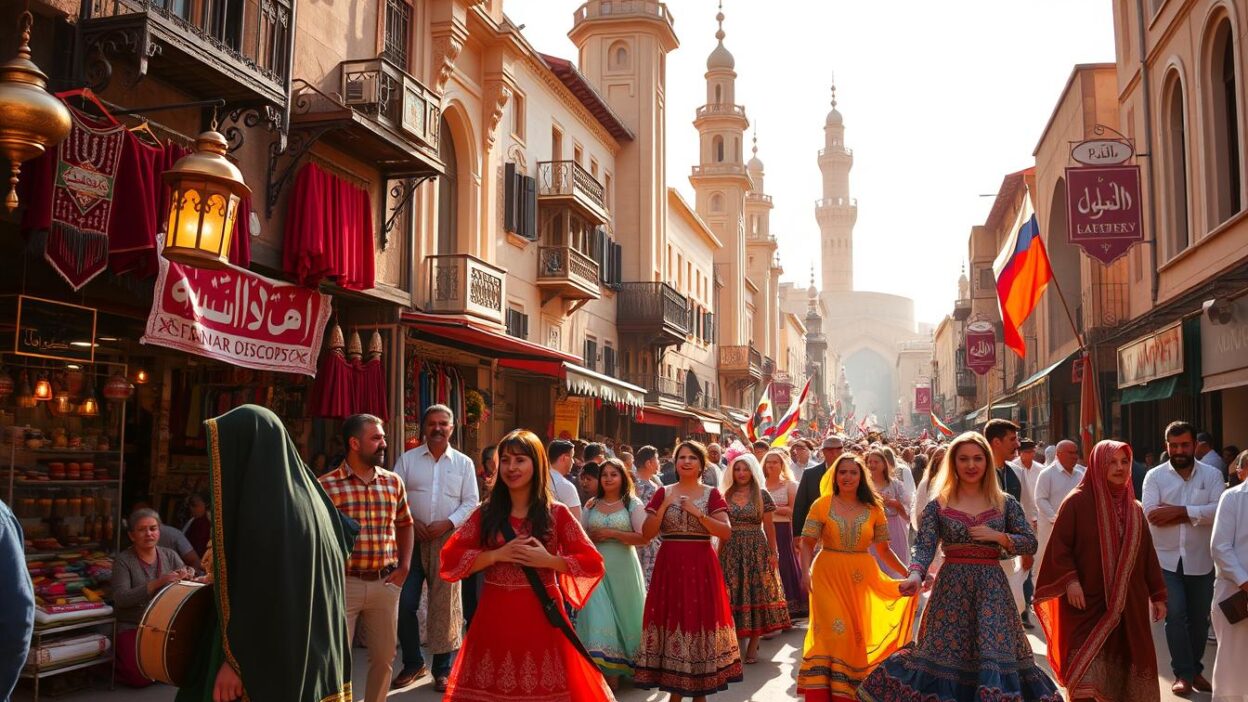
Every April brings a powerful opportunity to honor the rich tapestry of cultures from the Middle East and North Africa. This national observance recognizes the diverse histories and invaluable contributions of people with roots in these regions.
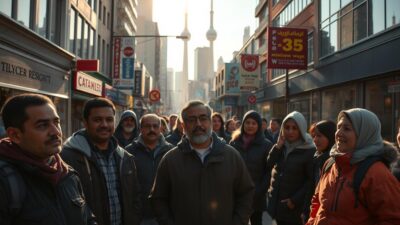
I’m excited to explore the 2025 commemorations happening across our nation. More than 3.7 million people of Middle Eastern and North African descent call North America home. Their impact on our society is substantial and worthy of recognition.
This time serves as a significant chance for all of us to deepen our understanding. We can challenge stereotypes and appreciate the beautiful diversity within these identities. The cultural tapestry they bring enriches our multicultural society in countless ways.
Throughout this guide, I’ll walk you through the various aspects of this important time. We’ll cover historical roots, contemporary celebrations, and community contributions. You’ll discover engaging events available to everyone interested in participating.
Key Takeaways
- Arabic is one of the five most spoken languages worldwide
- Over 3.7 million people of Middle Eastern and North African descent live in North America
- This observance occurs every April as a national celebration
- The time honors diverse cultures, histories, and contributions
- It provides opportunities for education and breaking down stereotypes
- Celebrations bring together people from all backgrounds
- Events highlight the rich cultural tapestry these communities bring
Discovering the Rich Legacy of Arab Heritage in Canada
Across the vast expanse of the Middle East and North Africa, shared cultural threads bind diverse communities together. This heritage encompasses people from 22 countries who share linguistic roots in the Arabic language.
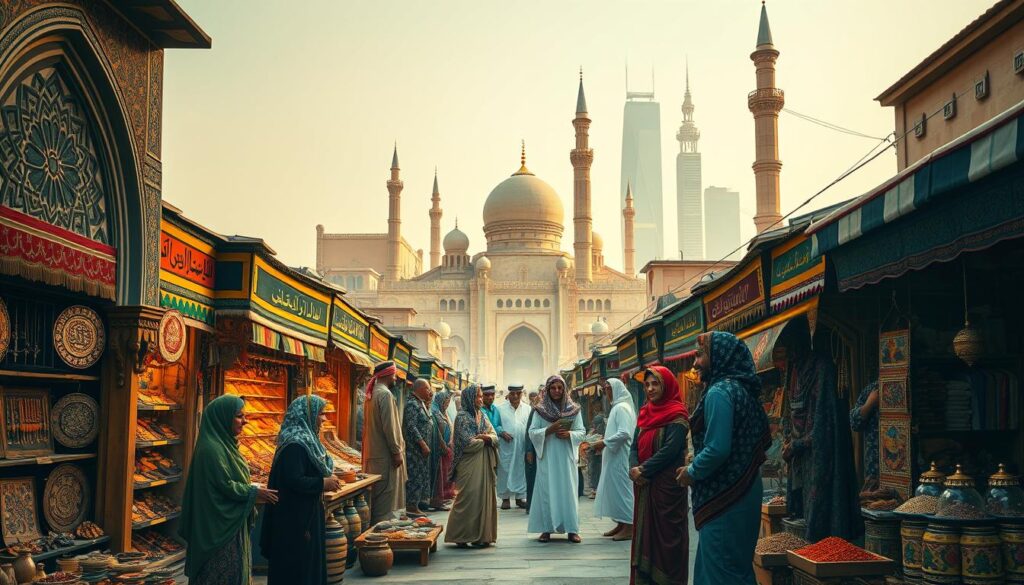
I’ve explored how these identities span multiple religions and ethnic traditions. Muslim, Christian, Druze, and other groups demonstrate remarkable diversity within these communities.
My Journey Through Arab Cultural Traditions
My personal exploration revealed beautiful blends of local influences and shared roots. From North African spice markets to Mediterranean family feasts, each tradition tells unique stories.
The Arabic language serves as a unifying thread connecting diverse groups. Yet linguistic variations and dialects add richness to this cultural tapestry.
Historical Roots and Evolving Celebrations
I traced how community initiatives grew into official recognition. This evolution honors generations of contributions from various backgrounds.
Contemporary observances balance traditional practices with modern expressions. These celebrations resonate with younger generations while preserving essential cultural elements.
Understanding this diversity helps combat stereotypes. It promotes nuanced appreciation of different traditions and histories within our society.
Arab Heritage Month Canada 2025: Celebrations and Community Impact
Beyond the celebrations and cultural events, this observance serves as a critical moment for reflection on both achievements and challenges. I want to explore how this time honors community impact while addressing important social issues.
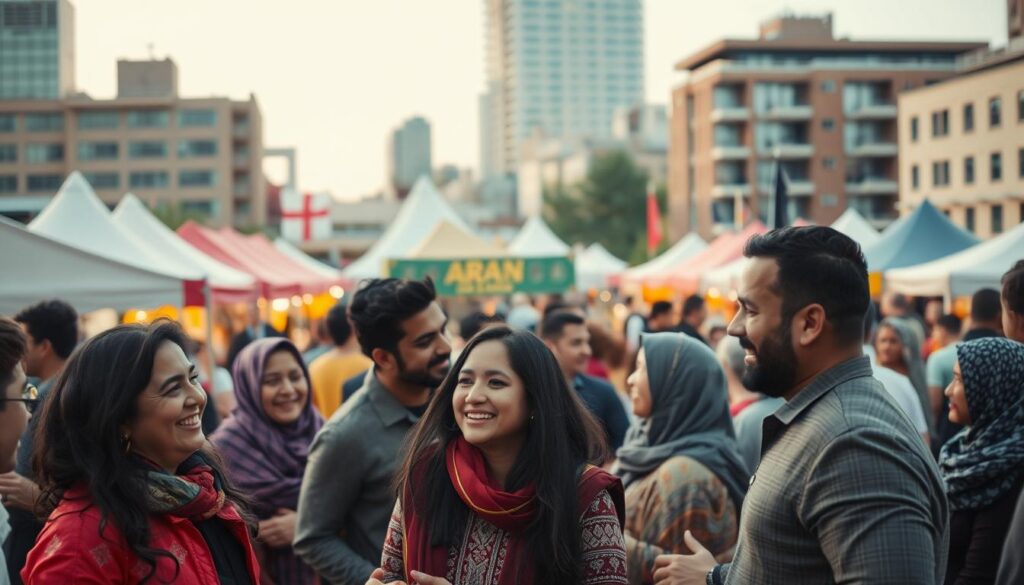
Highlighting the Contributions of Arab Canadians
The contributions of these community members span every sector of our society. From innovative business leaders to dedicated public servants, their work enriches our national fabric.
In education and the arts, these individuals bring unique perspectives that benefit all citizens. Their entrepreneurial spirit drives economic growth while preserving cultural traditions.
Uplifting Arab Voices and Leadership
Organizations like the Arab Canadian Lawyers Association demonstrate powerful community leadership. They advocate for equity while highlighting issues affecting these populations.
Amplifying diverse voices ensures authentic representation in media and public discourse. This commitment to leadership strengthens our collective social fabric.
Addressing Social Challenges and Racism
While celebrating achievements, we must acknowledge the painful realities many face. Increasing discrimination requires our collective attention and action.
This heritage month provides an opportunity to reaffirm our commitment to combating all forms of racism. It’s a time for education, understanding, and meaningful change.
Engaging Events and Activities Across Canada
From coast to coast, communities come alive with dynamic programming that showcases the richness of cultural traditions and contemporary expressions. This heritage month offers countless opportunities for meaningful participation and discovery.
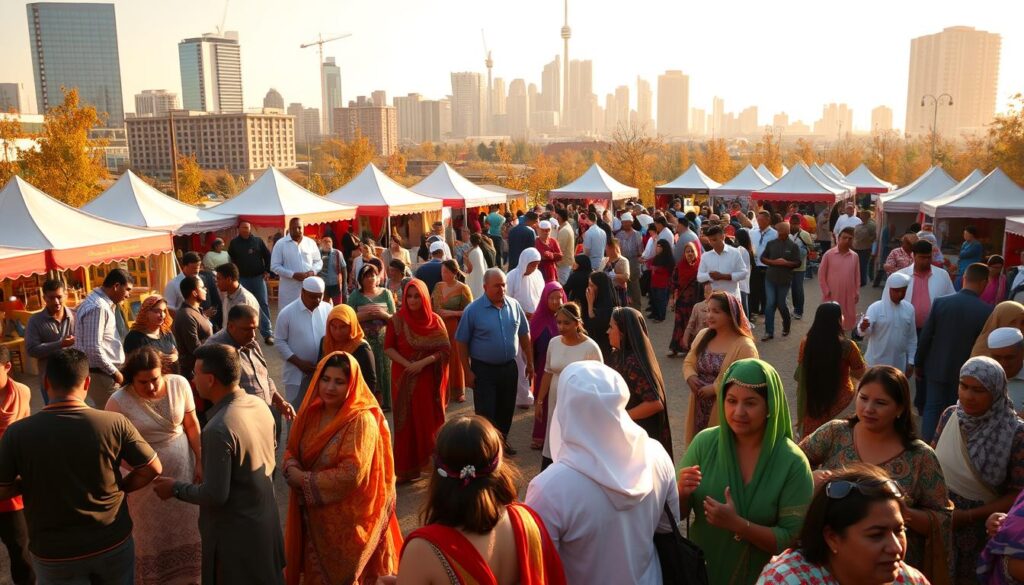
I’ve been particularly impressed by the diverse lineup of gatherings organized by local groups. These events create spaces where people from all backgrounds can connect and learn together.
Local Festivals and Community Gatherings
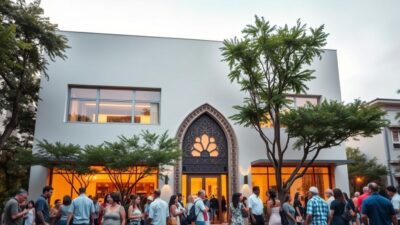
The Arab Community Centre of Toronto hosts vibrant festivals featuring performances and interactive exhibits. These gatherings bring diverse communities together in celebration.
The Toronto Palestine Film Festival presents powerful cinematic works that deepen understanding of artistic expressions. Similarly, the Canadian Arab Orchestra delivers breathtaking musical performances that honor rich traditions.
Youth engagement is also a priority, with organizations like the National Arab Youth Council creating spaces for younger generations. Literary events like the Arabic Canadian Book Fair celebrate authors and storytellers.
Culinary Experiences and Traditional Foods
Food serves as a powerful connector during these celebrations. Taste of the Middle East events showcase diverse flavors from various regions.
Community feasts and cooking demonstrations allow participants to experience hospitality traditions firsthand. These culinary experiences make cultural appreciation deliciously accessible to everyone.
Conclusion
This period of recognition ultimately serves as a gateway to deeper, year-round appreciation and allyship. I’ve come to see it as a valuable opportunity for all of us to engage with the rich diversity of these cultural traditions.
The observance represents more than celebration—it’s a time for meaningful education and reflection. I encourage active participation in events that amplify diverse voices and showcase community leadership.
Exploring these cultural stories has deepened my understanding of the complex identities within these communities. Genuine appreciation requires sustained commitment beyond this calendar time.
Let’s use this month opportunity as a starting point for ongoing engagement. Supporting these communities throughout the year builds a more inclusive society where every heritage contributes to our national fabric.